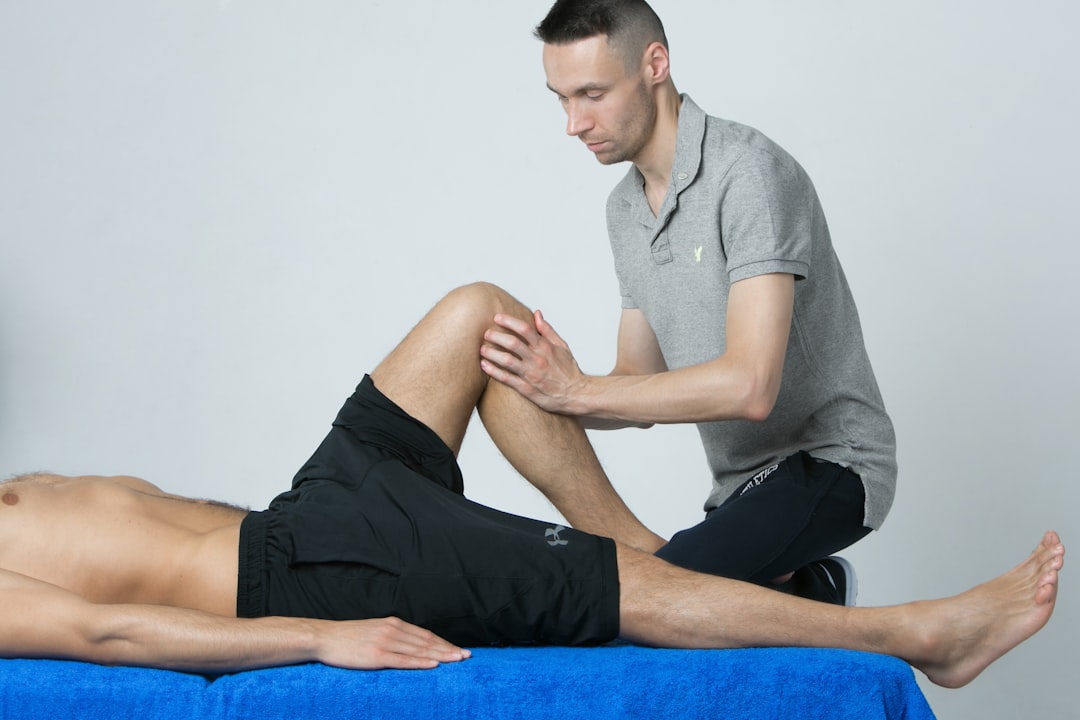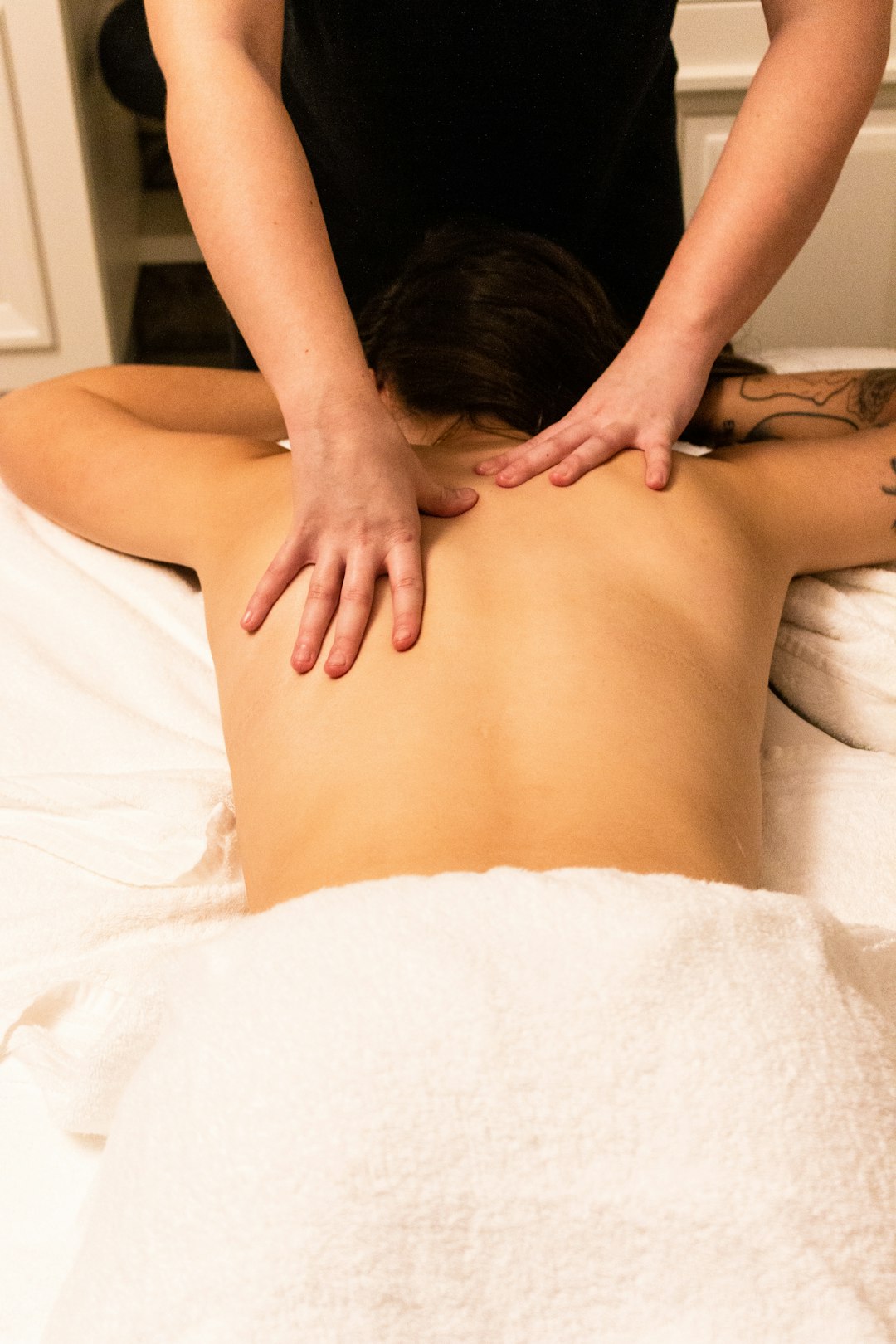

Take pelvic organ prolapse, for example. This happens when the pelvic organs slip down due to weak pelvic floor muscles, causing sensations of pressure, urinary leaks, or bowel difficulties. Physiotherapists start by carefully assessing muscle function, often using internal exams or ultrasound to pinpoint weaknesses. Then they design specific exercise routines focused on strengthening the pelvic floor, alongside posture and core stability work. These targeted efforts help reduce symptoms and improve everyday comfort.
Chronic pelvic pain is a frequent complaint, sometimes linked to conditions like endometriosis or scar tissue from surgery. This pain can be persistent and emotionally draining. Treatment often involves teaching muscle relaxation techniques and gentle strengthening exercises to ease tension in the pelvic muscles. A physiotherapist may also use manual therapy to release tight areas and improve blood flow, which supports healing.
Physiotherapy for pelvic prolapse usually includes progressive exercises that build both pelvic floor and core muscles. Improving posture is also part of the plan since poor alignment can worsen symptoms. Women are guided step-by-step through these routines, with adjustments based on their progress and feedback. It’s common to revisit and tweak exercises as strength improves or new challenges emerge.
Urinary incontinence during activities like coughing or sneezing is often linked to pelvic floor weakness, especially after childbirth or hormonal changes during menopause. Physiotherapists employ various assessment tools such as biofeedback devices that provide real-time muscle activity feedback. This helps women understand how to contract and relax their muscles properly. Manual therapy might also be used to address muscle restrictions or trigger points contributing to leakage.
Sexual health changes often accompany pelvic floor problems. Pain during intercourse may stem from tight or uncoordinated pelvic muscles. A physiotherapist trained in women’s health can offer education about pelvic anatomy and teach techniques for muscle relaxation and control. These sessions help women regain comfort during intimacy and improve their overall quality of life. It’s not unusual for women to feel relieved once they understand how their bodies work and gain practical skills to manage symptoms.
If you’re experiencing any symptoms like pelvic pressure, pain, or incontinence, consider reaching out for professional support. Talking openly about these issues can be difficult, but qualified physiotherapists provide a safe environment to explore solutions. Many practices specialize in women’s pelvic health and offer personalized care plans. Taking that first step might feel daunting but could lead to meaningful improvements in well-being. Check out services designed for women’s needs.
Every woman deserves care tailored to her unique health concerns, whether recovering after childbirth or adapting to changes later in life. Professionals who understand these conditions can help reduce symptoms and restore function, making daily life easier. For practical advice on maintaining pelvic health and managing symptoms effectively, visit women’s pelvic health support.