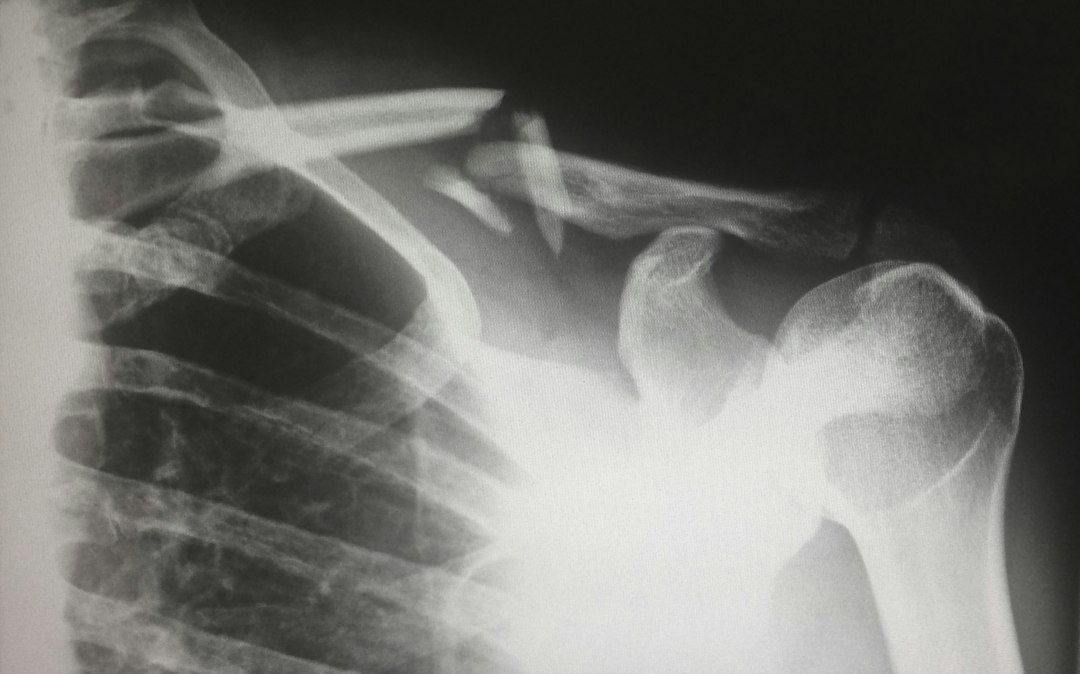

A useful pre-season screen is more than a quick check of flexibility. The clinician may review your injury history, observe sport-related movements and compare strength, balance and joint control from side to side. Biomechanics means the way your body moves under load, such as how your knee tracks when you land or squat. Proprioception is your awareness of joint position, which helps you balance and react quickly. These checks can reveal a movement problem worth addressing before it becomes painful, although screening cannot predict every injury or replace a medical diagnosis.
When comparing providers, look for someone who routinely works with active people and understands the demands of your sport. Ask whether the assessment will relate to cricket bowling, golf rotation, football sprinting or soccer change of direction, rather than using the same test for everyone. It is also reasonable to ask how findings will be explained and what follow-up involves. A sports injury specialist should be able to describe the proposed process in plain English, including when another health professional may be appropriate.
The assessment should lead to decisions you can use at training. Imagine a recreational runner who returns after calf pain and immediately repeats their former distance. A clinician might identify reduced calf capacity, then suggest gradual loading, strength work and running intervals. Load management means balancing the amount and intensity of exercise with the body’s ability to recover. In another example, a cricketer may have full shoulder movement but struggle to control repeated overhead actions. The plan would then focus on endurance and movement quality, not just stretching the shoulder.
Ask how progress will be measured, because vague advice is difficult to follow. Useful measures might include pain during a specific task, the number of controlled single-leg squats, running tolerance or strength on a repeated test. These are not universal pass marks; they are practical comparisons used alongside your symptoms and goals. A good plan should explain what to do on training days, when to reduce intensity and which changes mean you should book another review. It should also allow for work, school, sleep and other activities that affect recovery.
Recovery advice should match the injury and the stage of rehabilitation. Gentle movement may help someone who is stiff, while another person may need a carefully increased strength programme before returning to sprinting. Clinical Pilates can be useful for controlled strength, posture and body awareness when it is selected for the person’s needs, but it is not a substitute for every form of rehabilitation. A return-to-running plan commonly starts with manageable walk and jog intervals, then changes one variable at a time. Rushing because pain has eased can expose a still-developing capacity gap.
Choose the provider who listens to your goal, examines the relevant movement and gives you a plan you can realistically carry out. A short appointment that produces clear next steps may be more useful than a lengthy explanation with no way to track change. Check that fees, appointment length and review arrangements are clear before booking, and share any scans, previous diagnoses or medication details. If you want to compare the available approach with broader sports physiotherapy care, focus on how assessment, treatment and exercise guidance fit together. The right decision is the one that supports both your current symptoms and your return to the sport you enjoy.