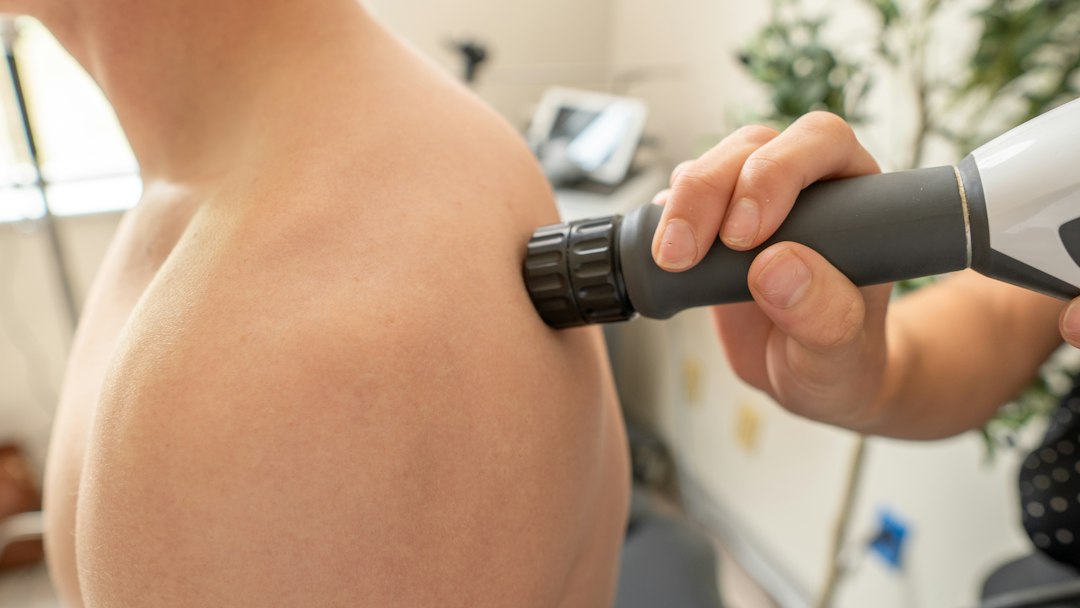

Assessment gives the treatment a clearer direction. The practitioner may compare comfortable and restricted movement, observe how you sit or walk, and check how muscles respond while a nearby joint is loaded. A treatment plan may include pressure, kneading or other hands-on methods intended to ease muscle tension and improve soft-tissue movement. Pressure should be adjusted to your response, not used as a test of toughness. Information about remedial massage redcliffe can sit alongside questions about exercise and movement retraining, particularly if relief needs to carry into work, sport or household tasks.
Fascia is connective tissue that surrounds and links muscles. After prolonged postures, heavy use or a period of reduced movement, an area may feel stiff, sensitive or difficult to move. That sensation does not prove there is a knot waiting to be broken apart. A practitioner might combine comfortable pressure with active movement, asking you to turn, reach or breathe slowly while the area is treated. Someone who spends hours at a laptop may feel pain between the shoulder blades. Massage can settle that sensitivity, while regular breaks, a better screen position and upper back strengthening may reduce its return.
Trigger point is another term used in massage settings. It generally refers to a sensitive area within a taut band of muscle, sometimes producing discomfort nearby or in a different region. That referral can make the most painful spot a poor guide to treatment. A runner with a tight calf, for example, may have increased training too quickly or developed limited ankle movement after changing shoes or terrain. Instead of repeatedly pressing harder on the calf, a careful assessment would consider the training change, compare both sides and examine related movement.
Tenderness during or after treatment can occur, but greater soreness is not reliable evidence that the session worked better. Excessive pressure may cause guarding, where the body limits movement because the sensation feels threatening. Tell the practitioner if a technique feels sharp, burning, electric, spreading or unusually intense. That information allows the position, pressure or method to change. A small process detail helps: agree on a comfortable pressure range before treatment starts, then report changes rather than waiting until the session ends. Persistent, worsening or unexplained symptoms should be assessed by an appropriate health professional.
Hands-on care often becomes more useful when paired with active rehabilitation. Load tolerance describes how much work a muscle, tendon or joint can manage before symptoms rise. It can be developed gradually with exercises selected after assessment, such as supported squats, controlled shoulder raises or breathing led trunk work. Proprioception, the body’s awareness of position and movement, can also be practised through slow, precise tasks. Keeping a brief note of which movements feel easier, and which activities still provoke symptoms, gives the practitioner something concrete to review at the next appointment. That record supports individualised movement planning between treatments.
Treatment should relate to a specific daily goal and change as that goal changes. Turning your head safely while reversing a car calls for a different focus from returning to gardening after a strain. A practitioner may begin with massage to reduce sensitivity, then add mobility or strengthening work as movement becomes more comfortable. Progress is better judged by ordinary function, such as reaching a shelf, completing a shift or sleeping with fewer interruptions, rather than by temporary relaxation alone. If symptoms include unexplained weakness, significant swelling, numbness or a pattern that does not seem muscular, referral should take priority over repeated massage.