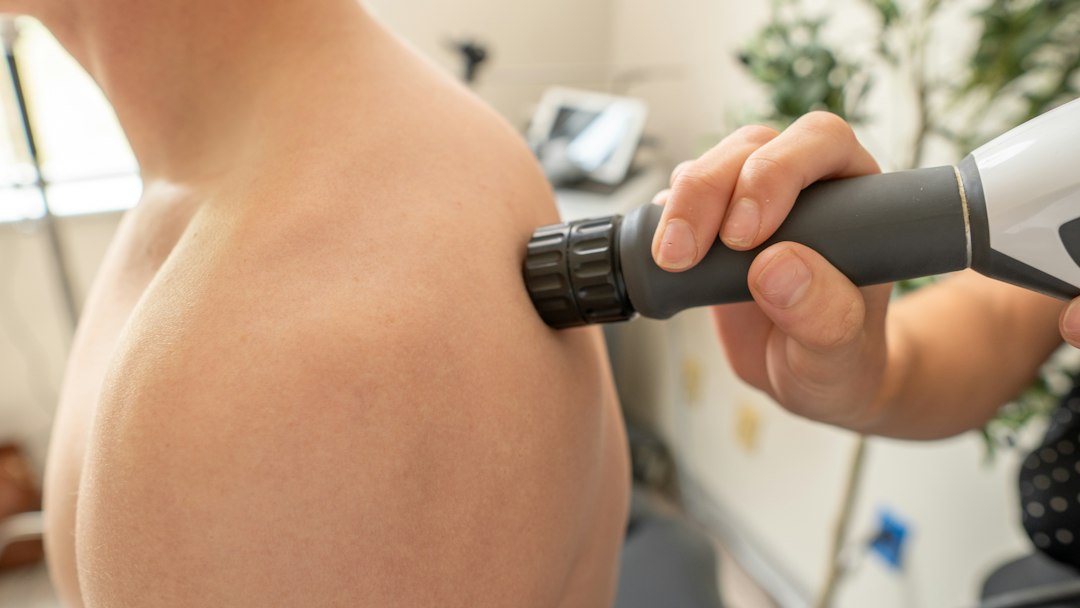

Assessment is usually practical. The clinician may watch you walk, squat, hop, change direction or perform a sport-specific movement, then compare strength and range of motion on both sides. Range of motion means how far a joint can move comfortably; strength testing shows whether a muscle can produce and control force. These findings help identify a capacity gap, such as a runner who can jog easily but cannot control the pelvis when landing on one leg. A suitable sports physio cronulla appointment should connect those observations with your training, not treat test results in isolation.
The plan often involves changing load rather than stopping everything. Load includes running distance, gym weight, jumping, speed, frequency and even long periods of standing at work. For example, a footballer with a painful tendon might reduce sprinting and matches for a short period while keeping comfortable cycling and strength work. Tendons adapt slowly to repeated force, so gradual resistance can be more useful than complete rest, provided symptoms are monitored. The trade-off is that a slower return may feel frustrating, but repeatedly exceeding current capacity can prolong the problem and create a stop-start training cycle.
Pain is useful information, but it does not always measure tissue damage precisely. Irritated nerves, poor sleep, stress and repeated worry can make the nervous system more protective, a process sometimes described as sensitisation. That does not mean symptoms are imaginary. It means recovery may require a measured return to movement as well as local treatment. A physiotherapist can help set sensible stages, such as walking, easy jogging, faster running and then cutting drills. If pain changes sharply, strength drops, swelling increases or normal function deteriorates, the plan should be reviewed rather than pushed through.
Running injuries often arise from several small changes arriving together: extra kilometres, hills, faster intervals, worn technique under fatigue or a sudden return after illness. A running movement assessment may examine cadence, stride, landing control and how the hips, knees and feet share force. Biomechanics is simply the study of how the body moves and manages force. It is not a search for one perfect running style. A useful assessment should relate movement findings to your symptoms and training history, because changing a harmless feature can add cost without improving recovery.
Rehabilitation should also fit real life. A parent recovering after surgery may have limited time, while a junior athlete may need instructions that are simple enough to follow at school and training. Proprioception, the body’s sense of joint position, can be challenged with balance and controlled landing exercises after an ankle injury. These drills are not just tests; they help rebuild confidence and coordination. Home exercises are more likely to work when the purpose, frequency and progression are clear. Asking what to do on a bad day is as useful as asking when to increase the programme.
The right time to seek help depends on function, not only the number on a pain scale. Arrange an assessment when pain is changing how you walk, sleep, train or work, or when the same injury keeps returning. Urgent medical advice is more appropriate for major trauma, a visibly deformed limb, sudden loss of strength or sensation, or severe swelling with concerning symptoms. Bring your training schedule, footwear if relevant, scan reports and a short record of what aggravates the problem. Good sports physiotherapy should leave you with a working explanation, manageable next steps and a clear reason to adjust them.