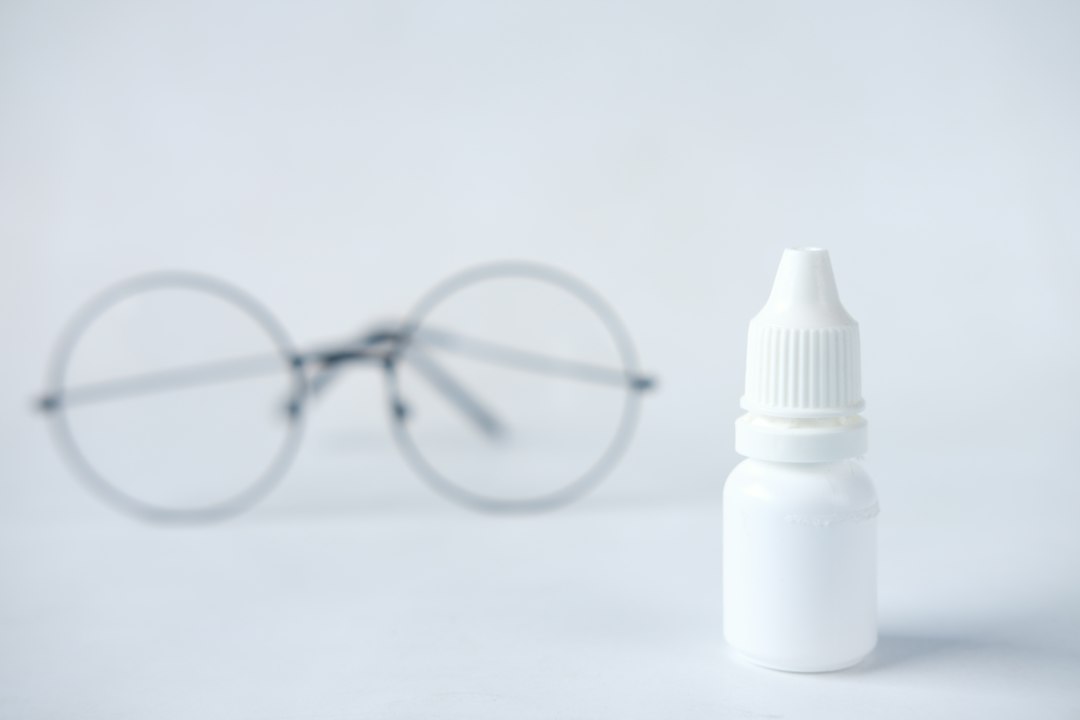

Start with the pattern of use. A person who needs relief once after a dusty walk may do well with a basic lubricant, whereas someone applying drops every hour should arrange an assessment. Preservatives help limit contamination in some multi dose bottles, but frequent use can irritate sensitive eyes. Preservative free products may be more suitable for regular users, although single use vials can cost more and create extra packaging. Check the label rather than assuming every lubricant is interchangeable. Wash your hands, never share a bottle, and keep the nozzle away from the eye, lashes and fingers.
Formulation affects both comfort and convenience. Thin aqueous drops spread quickly and may suit mild, occasional irritation, but their effect can wear off sooner. Gels are thicker and remain on the surface for longer, making them a possible choice for persistent dryness. They can cause short lived blurred vision, so a person who drives to work may prefer using one after arriving rather than before setting off. Ointments provide an even heavier coating and are generally reserved for night use because they can cloud sight. A pharmacist can help match the product’s texture to work, driving and bedtime routines.
Dryness does not always mean the eyes lack water. The tear film also contains an oily outer layer that helps slow evaporation. If that layer is not spreading well, tears may disappear quickly even though the eyes water, particularly in wind, air conditioning or heated rooms. Some lubricants are designed to support this part of the tear film, while others mainly add watery moisture. Burning, intermittent blur and a need to blink repeatedly give an optometrist useful clues. Keep a note on your phone of the time symptoms begin and the setting, such as a meeting room or a motorway journey.
Contact lenses introduce separate safety checks. A product suitable for ordinary use may not be approved while lenses remain in place, and its instructions may require removal for a stated period before reinsertion. Do not infer compatibility from the ingredient list alone. Read the package leaflet each time you change products, especially if the bottle has been recommended by someone else. Afternoon discomfort in a lens wearer may reflect the lens fit, wearing schedule or eyelid health rather than a simple need for more lubricant. A pharmacist can check use instructions, while an optometrist can examine the lenses and the eye surface.
Choose professional help according to the pattern and seriousness of the symptoms. A pharmacist can discuss preservatives, ingredients, other eye medicines and the practical difference between drops, gels and ointments. An optometrist can examine the cornea, tear film and eyelid margins when symptoms persist or have no clear trigger. A GP may be appropriate if dryness occurs alongside a wider health problem or a prescribed medicine. Seek prompt medical advice for significant pain, marked redness, light sensitivity, an eye injury or sudden changes in vision. Repeatedly masking those signs with over the counter drops could delay attention to a more serious problem.
For a cleaner application, sit down, wash your hands, look upwards and gently pull down the lower lid to form a pocket. Place one drop inside without touching the surface, then close the eye softly for a few moments. Forceful blinking can push liquid out before it spreads. Record the product, application times and response for several days; a clinician can then see whether relief lasts minutes or hours. If a drop repeatedly stings, leaves vision blurred longer than expected or offers no useful relief, stop relying on trial and error and ask about dry eye treatment options.