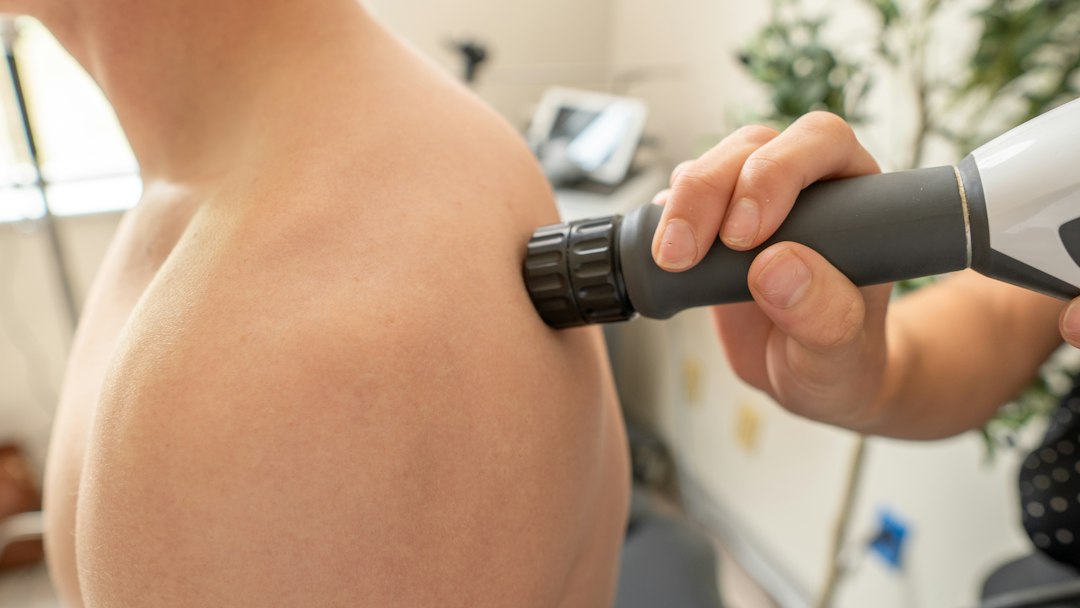

Another myth is that a practitioner can identify the answer by pressing one painful spot. A tender knot may be a trigger point, meaning a sensitive area within a muscle that can produce local discomfort or pain elsewhere. This latter effect is called referred pain. For example, a trigger point around the upper back may make the shoulder or arm feel uncomfortable, even when those areas are not injured. Treatment should therefore include observation of posture and movement, not just pressure on the most painful place. You can read about myotherapy scarborough in the context of professional physiotherapy care.
The idea that more pressure means better treatment is also misleading. Firm techniques may suit some people, but intensity should be guided by irritability, tissue sensitivity and the response during and after a session. A person with a recent strain, for instance, may become more guarded if treatment is too aggressive. Guarding is the body’s protective tightening of muscles around a painful area. Gentle movement, suitable manual therapy and clear advice may be more appropriate at first. Temporary tenderness can occur, but worsening pain, new weakness or unusual symptoms should be discussed promptly with a qualified health professional.
Myotherapy is sometimes viewed as a replacement for exercise, although reality is closer to partnership. Hands-on work may reduce discomfort or make movement feel easier, but strength, flexibility and coordination usually need active practice as well. Range of motion means how far a joint can comfortably move, while load management means adjusting activity so the body can recover without complete inactivity. A recreational runner with calf tightness might temporarily reduce hills, practise prescribed calf exercises and gradually rebuild distance rather than stop running indefinitely or push through sharp pain.
A further myth is that the same session suits everyone with the same body part affected. Someone who works at a desk may need advice about regular position changes and shoulder control, whereas a warehouse worker may need guidance on lifting, rest periods and progressive conditioning. An assessment can examine joint movement, muscle capacity and functional tasks such as reaching or squatting. This does not mean every ache requires extensive testing. It means the plan should relate to the person’s goals, daily demands and relevant history, with progress reviewed rather than assumed.
People also sometimes expect one appointment to permanently remove a long-standing problem. Relief can be useful, but persistent symptoms may reflect several influences, including reduced strength, stress, sleep disruption, repeated activity or sensitisation. Sensitisation describes an overly protective response in the nervous system, where ordinary movement can feel more painful than expected. This does not mean the pain is imaginary. It means recovery may involve education, graded movement and changes to aggravating habits alongside hands-on care. A Scarborough physiotherapy team can help clarify realistic next steps when symptoms are recurrent or limiting.
Choosing care should not depend on a dramatic promise or a particular technique. Look for an explanation of the assessment, possible causes, expected response and ways to participate between appointments. Ask what should improve, how progress will be checked and when another opinion is sensible. For example, numbness, unexplained swelling, significant trauma or steadily worsening symptoms may require medical review rather than routine muscle treatment alone. Myotherapy can be a useful part of a broader plan when matched to an accurate assessment, practical exercises and your own goals for returning to comfortable movement. scarborough physiotherapy team