
A proper assessment looks at range of motion, which means how far the hip can comfortably move in different directions. It may also examine strength, coordination and the way the pelvis moves when you stand on one leg. These details help distinguish stiffness from weakness or poor load control. For example, a recreational runner with pain after increasing weekly distance may have irritated tendons around the hip, while someone with groin pain and reduced rotation may need a closer joint assessment. The findings should shape the treatment rather than a standard routine being applied to everyone.
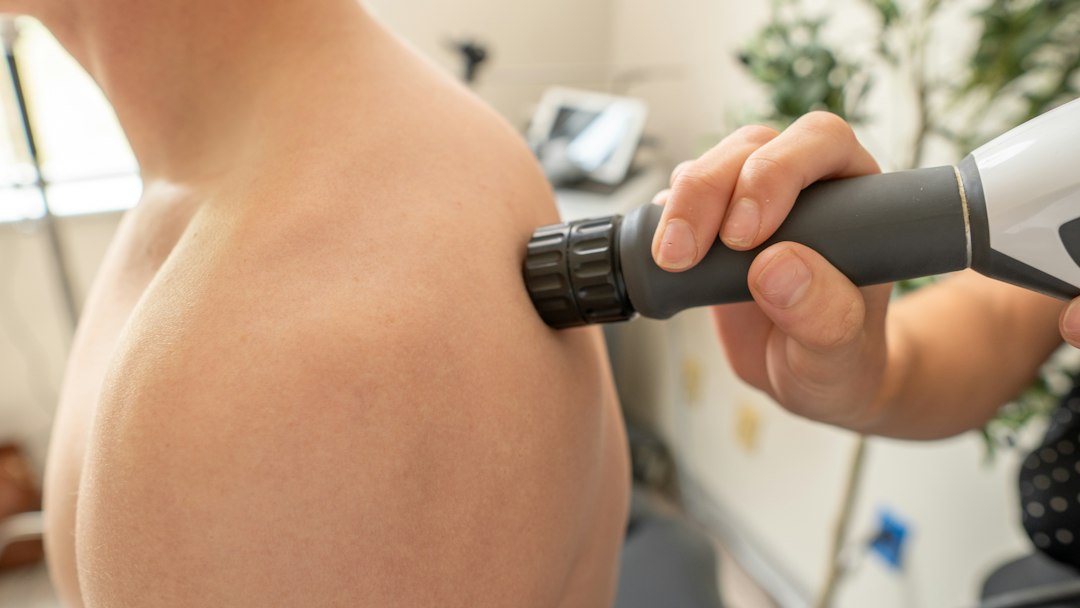
Hands-on treatment can be helpful when muscles feel guarded or movement is restricted. Massage and myotherapy use pressure and soft-tissue techniques to reduce muscle tension and make movement feel easier for a time. They may suit someone whose hip discomfort is linked with tight gluteal muscles after travel or a demanding training session. However, manual treatment does not replace rebuilding capacity. If symptoms keep returning, ask how the proposed care will address strength, movement habits and the amount of activity your body can currently tolerate. A provider offering hip physio should explain how hands-on work fits into the wider plan.
Exercise is often the longer-term part of rehabilitation because tissues adapt to gradually increased load. Progressive loading means starting with an exercise that is manageable, then carefully increasing resistance, repetitions, range or frequency as confidence and capacity improve. A person returning to football might begin with controlled bridges and step-ups, progress to single-leg work, and later practise cutting and changing direction. The exact sequence depends on symptoms and goals. Good guidance includes clear instructions about effort, recovery and what to do if discomfort rises, rather than simply handing over a list of exercises.
Your choice of provider should reflect the problem you want solved. Look for a practitioner who listens, examines the hip and nearby areas, discusses your preferred activities, and gives you a way to track progress. Useful measures might include walking farther, putting on shoes more easily, sleeping with fewer interruptions, or returning to a particular sport. Ask whether the plan can be adjusted if progress stalls. A calm explanation is important too. You should understand whether the focus is mobility, strength, coordination, pain management, or a combination of these.
Consider a worker whose hip aches after sitting at a desk but settles during a weekend walk. The plan may include movement breaks, changes to aggravating positions and gradual strengthening rather than complete rest. By contrast, sudden pain after a fall, an inability to put weight through the leg, marked swelling, fever, unexplained weight loss, or severe night pain warrants medical advice promptly. Pain from the lower back can also travel into the buttock or leg, so a clinician should check for nerve involvement instead of assuming every symptom starts at the hip.
A first appointment should leave you with a working explanation, practical next steps and clear guidance about when to return or seek further assessment. You might need a short period of modified activity, not avoidance of all movement. If you are comparing local options, consider whether the service combines assessment, hands-on care, exercise recovery and referral when appropriate. Information about treatment options for muscle pain can help you prepare questions, but your own assessment remains central. The most suitable approach is the one that matches the cause, your goals and your ability to follow it consistently.