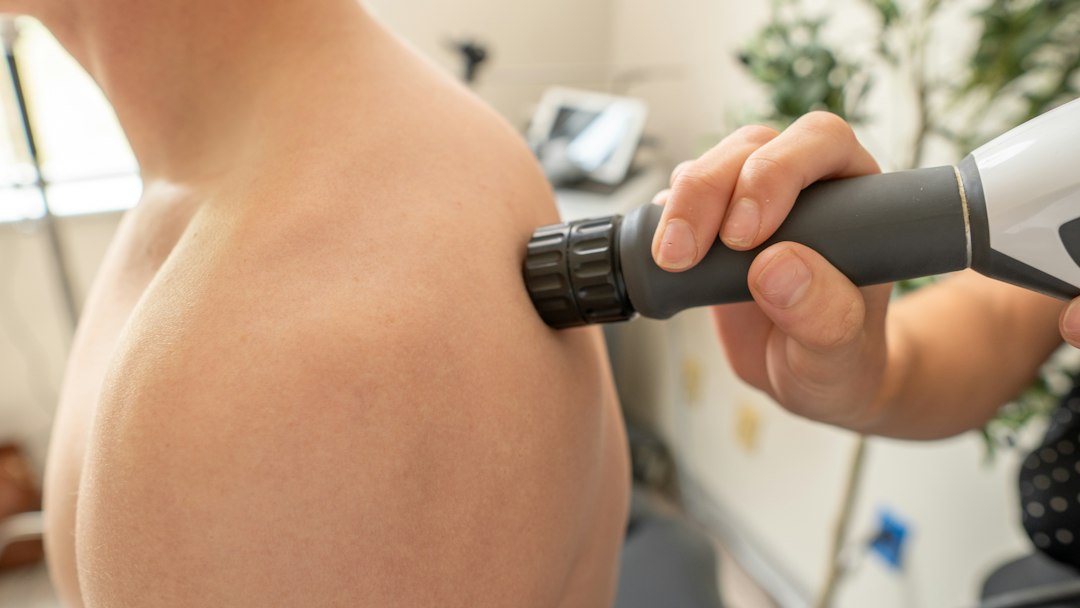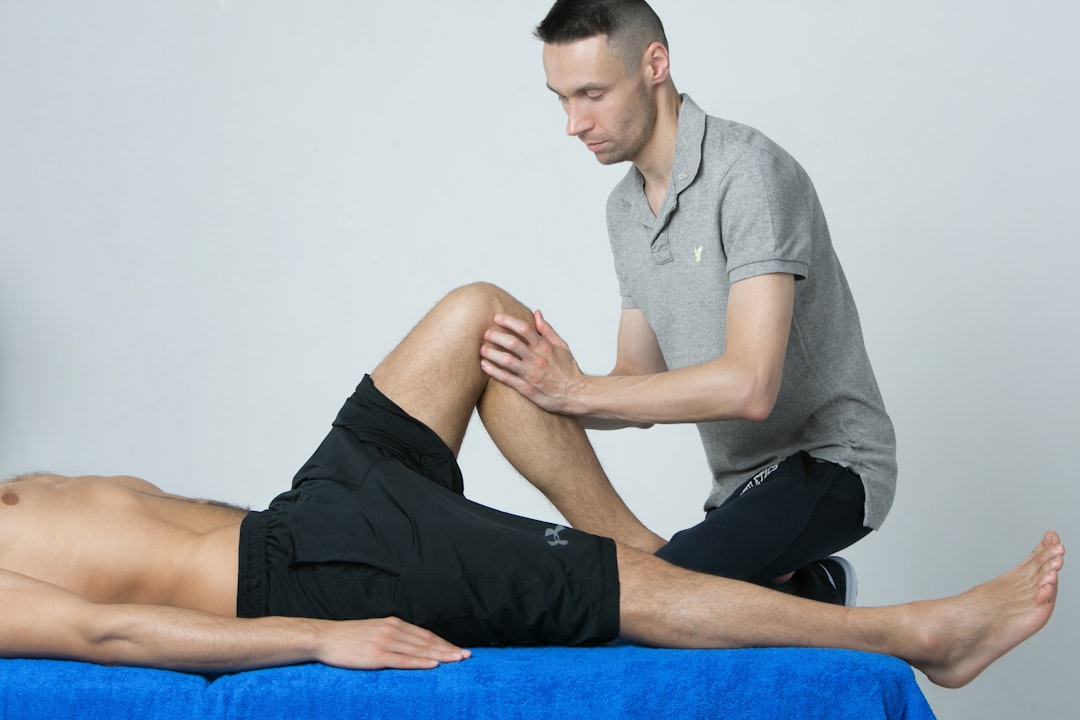

The headache may be cervicogenic, meaning it is linked to structures in the neck. Small joints in the upper cervical spine can become stiff, while nearby muscles work harder to support the head. Pain from these tissues can be referred, which means it is felt somewhere different from its source, such as the temple, forehead or area around the eye. This does not mean every headache comes from the neck. Migraine, cluster headache, medication overuse and other medical conditions need different care, so a careful history is essential before treatment begins.
A useful assessment explores when the headache starts, how long it lasts and whether neck movement, prolonged sitting, sleep position or physical effort affects it. The clinician may check neck range of movement, joint mobility, muscle tenderness, jaw tension, breathing habits and the way the upper back moves. They will also ask about symptoms such as nausea, light sensitivity, visual changes or an unusual sudden onset. These details help distinguish a mechanical headache pattern from symptoms that need medical review, rather than encouraging someone to continue self-treatment without a clear explanation.
The mistake in the case was treating intensity as the main problem. Repeatedly forcing a stiff neck can irritate sensitive tissues, especially when the underlying issue is poor movement control or sustained muscle guarding. A better approach may combine gentle manual therapy with exercises that restore comfortable neck movement, improve upper-back mobility and build endurance in the deep neck muscles. These muscles sit close to the spine and help stabilise the head. Treatment should be adjusted to the person’s response, with calm, controlled movement preferred over aggressive stretching or cracking.
Advice outside the clinic can be just as relevant. Someone who develops headaches after several hours at a laptop might benefit from changing position regularly, bringing the screen to a comfortable height and avoiding long periods with the chin pushed forwards. Another person may notice symptoms after sleeping awkwardly or clenching the jaw during stressful work. A short record of headache timing, activities, sleep, hydration and medication can reveal patterns. It also gives the physiotherapist a practical way to judge whether changes in movement and daily habits are helping.
Physiotherapy may also sit alongside medical care for people with migraine. Migraine is a neurological condition, so neck treatment is not a replacement for diagnosis or prescribed medication. However, neck stiffness, muscle tension and poor recovery after an attack can add to discomfort for some individuals. A measured programme can focus on reducing contributing physical strain without provoking symptoms. If you are exploring physiotherapy assessment options, ask how the assessment will account for your headache type, current treatment and any warning signs.
Progress is rarely judged by one pain-free day. More useful changes may include fewer headaches after work, easier neck movement, less reliance on rescue medication or a quicker recovery when symptoms begin. Improvement can vary because headaches have several possible drivers and may be influenced by sleep, stress, hormones, illness and workload. Seek urgent medical advice for a sudden severe headache, new weakness, confusion, fainting, fever with neck stiffness, or a major change from your usual pattern. For headaches that appear linked to neck tension or restricted movement, Physio for Headaches can begin with assessment rather than guesswork.