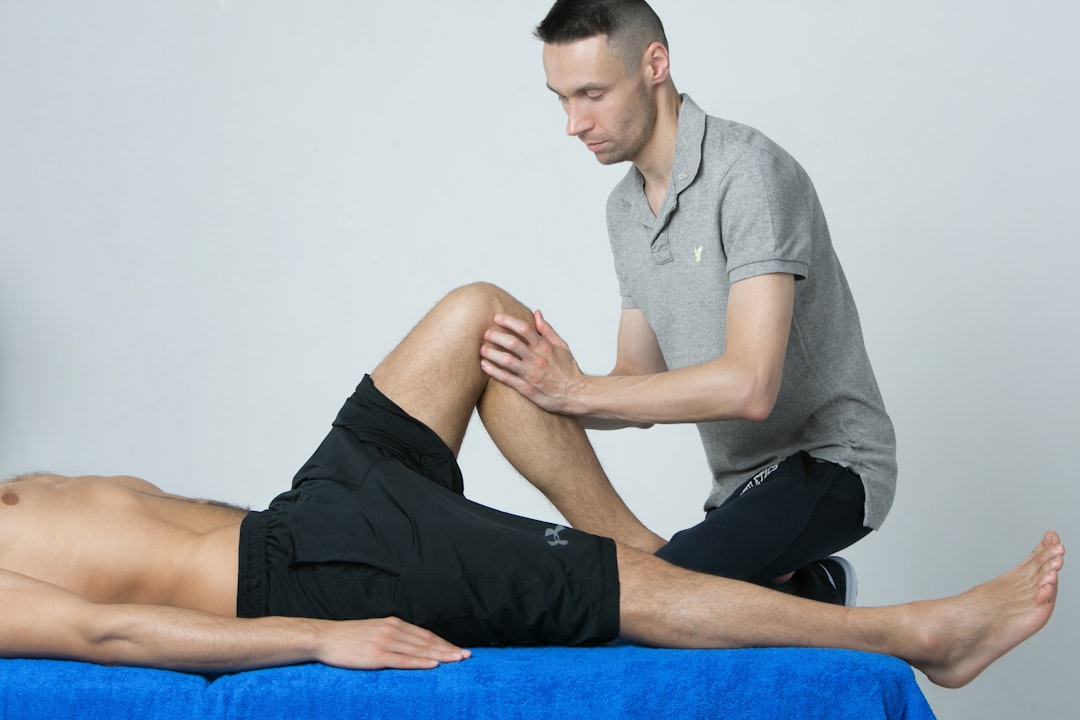

A physiotherapist may assess active and passive range of movement. Active range is what you can control yourself, while passive range is what can be reached with gentle assistance. A large difference between the two can suggest reduced strength or motor control, although it is not proof of a particular condition. The clinician may also consider joint instability, meaning a joint feels unreliable or moves excessively under load. For example, an ankle that repeatedly rolls on uneven paths needs more than stretching advice. It may need a plan for balance, calf strength and gradually restoring confidence.
Proprioception is another key concept. It is the nervous system’s awareness of where your body is positioned without needing to look. With hypermobility, this sense may feel less reliable, especially when tired or moving quickly. Exercises such as controlled single-leg standing, slow step-downs or reaching while keeping the pelvis steady can challenge that system. They should be adjusted to your ability, not used as a test of toughness. Shaking or mild effort can be normal, but sharp pain, repeated giving way or symptoms that linger well beyond exercise deserve review and a change in dosage.
Strength work is often more valuable than repeated stretching for a symptomatic hypermobile joint. Stretching can feel relieving for a few minutes, yet pushing further into an already generous range may irritate sensitive tissues. Graded loading means increasing resistance, repetitions or task difficulty in small, planned steps so muscles and connective tissues can adapt. Someone with painful knees might begin with sit-to-stand practice from a higher chair, then progress to a lower chair, step-ups and controlled squats. The exact sequence should reflect symptoms, work demands and the activities the person wants to regain.
Pain does not always equal damage, and a pain-free scan does not mean the symptoms are imaginary. Muscles, tendons, joint linings and the nervous system can all contribute to pain, while poor sleep, stress and sudden changes in activity may increase sensitivity. Good hypermobility physio should explain these factors without dismissing the physical problem. It should also establish practical markers of progress, such as walking farther, completing a shift with fewer breaks or climbing stairs with better control, rather than relying only on a pain score.
A useful programme must fit real life. A desk worker whose neck and shoulders fatigue by mid-afternoon may need position changes, endurance exercises and a manageable home routine, not a long list of demanding drills. A recreational runner with repeated calf or hip symptoms may need temporary changes to distance and speed while building capacity. This is where pacing matters: doing slightly less on a good day can prevent a flare that disrupts the next week. The goal is steady participation, with recovery considered part of training rather than evidence of failure.
Seek assessment if a joint repeatedly dislocates, gives way, swells without a clear injury, or pain is limiting sleep, work or ordinary movement. A physiotherapist can also help decide whether another health professional should be involved, particularly when symptoms are widespread or accompanied by unusual fatigue, dizziness or other concerns. Clinics serving the local area, such as local physiotherapy services, can provide an initial assessment and an individual exercise plan. The sensible approach is neither to fear movement nor to force through it: understand your range, build control and progress at a rate your body can sustain.