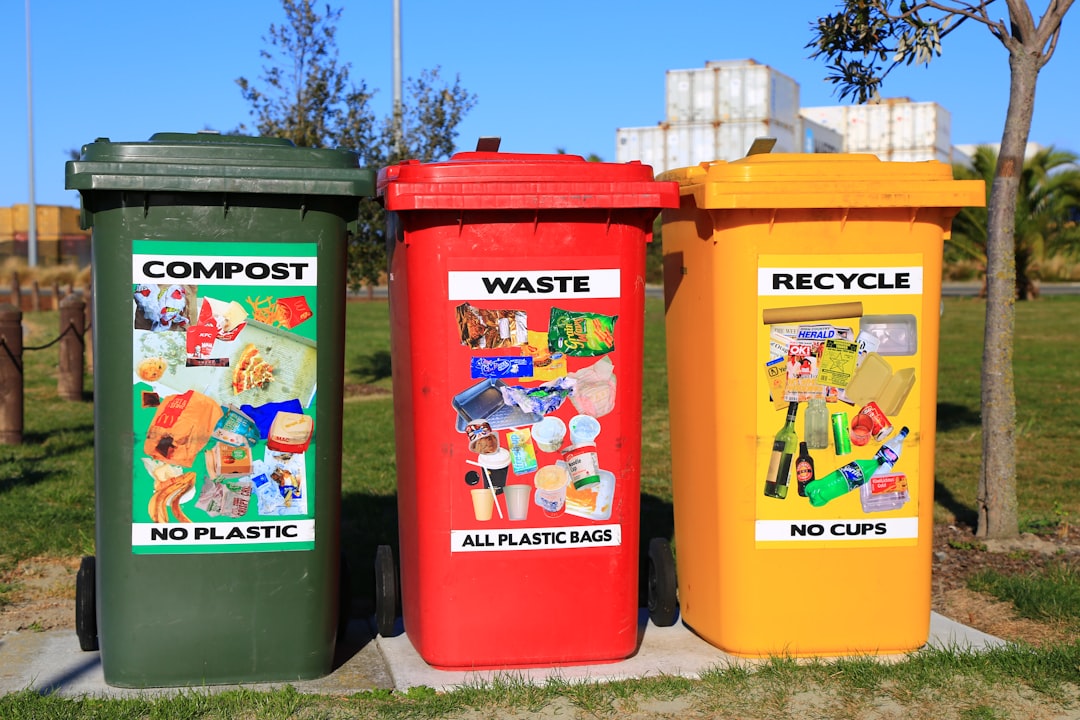

Donation bins can be a quick fix for dropping off smaller items. These bins often sit in parking lots or community hubs, making them easy to access during errands. They’re perfect if you just want to offload a few bags of clothing or household goods without fussing over appointments or pickups. Just check the bins’ accepted items first , some won’t take large electronics or furniture.
If you have bulky items like mattresses, furniture, or a large pile of donations, scheduling a free pickup might save you a trip. Many charities offer this service, but availability depends on your location. When arranging a pickup, confirm what items they accept and whether you need to prepare anything specific, like removing cushions or deflating air mattresses. It’s common for people to forget these details, leading to delays or refused pickups.
For urgent needs, priority pickups are an option. These usually come with a fee but guarantee faster turnarounds. Say you’re moving out and want to donate unwanted belongings before the moving truck arrives , booking priority pickup prevents last-minute scrambles. Just be sure to check the cutoff times for scheduling; missing those can push your pickup beyond your moving day.
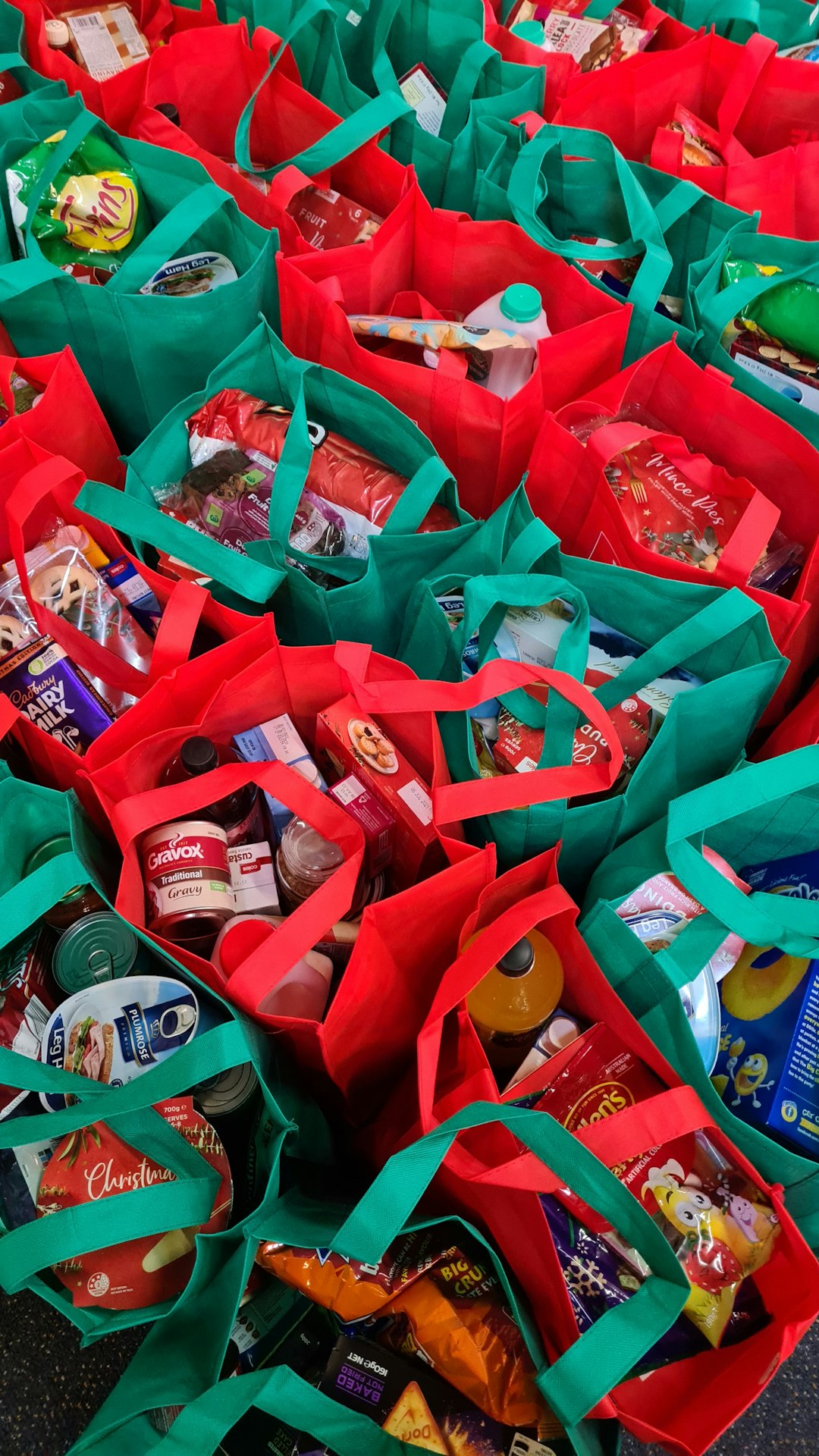
Community donation drives offer a chance to contribute while connecting with others. Schools often hold drives around the start of the academic year to collect supplies or clothing. Local businesses sometimes organize holiday toy collections. These events provide a deadline which helps people avoid procrastination, but you’ll want to confirm what’s accepted since drives can have specific requests or exclusions.
The Giveback Box service is ideal if your area lacks convenient drop-off points. You pack a box with your unwanted items, print a prepaid shipping label online, and send it off. This method suits those without easy transport or who prefer mailing their donations. Keep in mind that fragile items may not ship well, and some charities limit what they can accept by mail.
Donating a vehicle is another way to make an impact. Many nonprofits accept cars, trucks, or motorcycles, often using the proceeds for their programs. Before donating, check the organization’s criteria; some won’t take vehicles in poor condition or require clear titles. You’ll usually handle paperwork like title transfer yourself, so having these documents ready can speed up the process.
If you’re motivated to rally others, organizing a donation drive amplifies your reach. Hosting an event where friends and family bring their contributions can fill a car or truckload quickly. It also raises awareness about local needs and encourages ongoing involvement. Just plan well ahead and communicate clearly about what’s needed , confusion over acceptable items often causes frustration at collection points.
Always verify if your address falls within an organization’s pickup zone before scheduling any collection; this saves wasted trips and ensures your donations get where they’re needed. For further details on options in your area, visit donation drop off. To explore additional ways to contribute or volunteer, check out .