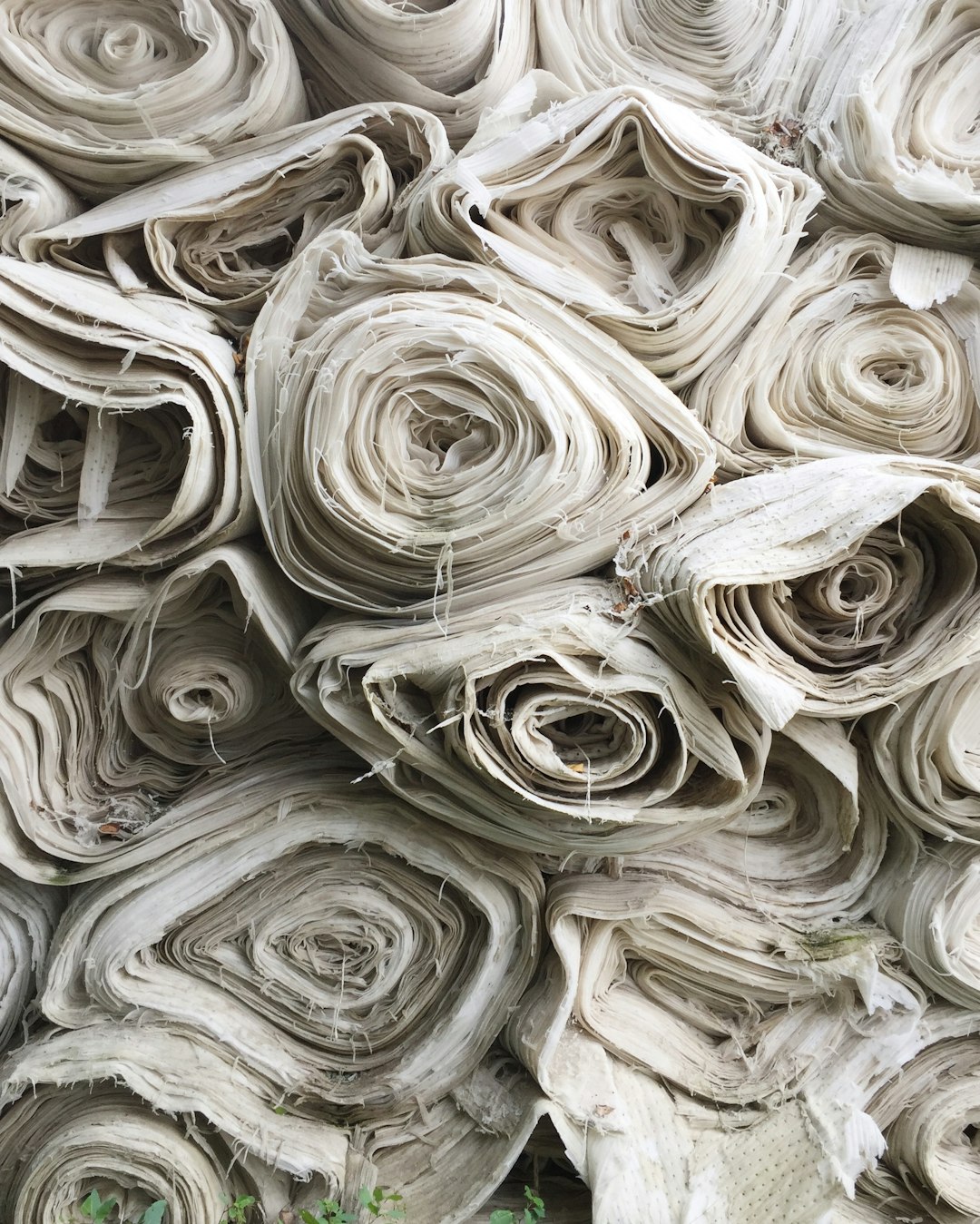

The first technical decision is sorting. Textiles may contain cotton, polyester, nylon, wool, elastane, coatings, dyes, and trims, often in the same garment. Sorting identifies what a load contains so the next process is not forced to treat incompatible materials as if they were identical. Color sorting can also reduce the need for new dye, while removing zippers, buttons, and labels protects processing equipment and improves the purity of the output. For example, a shipment of clean, single-fiber cotton cutting scraps is a much more predictable input than a mixed bin of worn uniforms.
Mechanical recycling is the most familiar route. Machines open, cut, and pull fabric apart until it becomes loose fiber. This is practical for many clean textile streams, but the treatment can shorten fibers, and shorter fibers generally produce yarn with different strength and feel. That is why recycled fiber may be blended with longer virgin or recovered fiber, depending on the intended product. A mill making coarse fleece may accept a different fiber profile than a producer seeking a smooth, durable woven shirt. The correct question is not whether material was recycled, but what the resulting fiber can reliably become.
Chemical recycling uses a different principle. Instead of physically pulling cloth apart, a process may dissolve or chemically break down selected fibers and then recover their basic building blocks. Polymer means the long-chain material that gives many synthetic fibers their structure; separating or rebuilding that polymer can produce a more consistent feedstock than mechanical opening. These systems are not a universal answer. They need suitable inputs, controlled chemistry, and careful handling of dyes, finishes, and blended fabrics. Still, they are worth considering where mechanical processing cannot preserve the quality or composition needed for a new textile.
Input quality is a business issue as much as an engineering issue. A factory that receives damp, contaminated, or poorly documented material cannot plan production with confidence. Brands can help by keeping cutting waste separate from postconsumer garments, recording fiber composition, and avoiding unnecessary attachments that complicate recovery. Consider a retailer with two return streams: clean cotton basics and mixed-fiber activewear with elastane. Treating them as one commodity makes both harder to process. Keeping them distinct creates clearer options for sorting, testing, blending, and matching output to a realistic end use.
Traceability should extend beyond the collection bin. A useful record can identify where material came from, how it was sorted, what processing route it received, and which specifications describe the recovered fiber. That information helps a product team avoid vague claims and choose an appropriate application. The fiber-to-fiber recycling overview is a useful starting point for understanding the broader process, but practical decisions still depend on testing. Fiber length, color, moisture, contamination, and yarn performance are measurable properties, not assumptions that can be solved by a marketing label.
The strongest textile recycling programs begin with design and purchasing decisions, not with a disposal contract. Designers can favor materials that are easier to identify and separate, while sourcing teams can ask whether offcuts and returned goods have a credible recovery route. Recycling will not eliminate the need to make fewer, better-used products, and it should not excuse overproduction. Its proper role is narrower and more useful: recover valuable fiber from excess and end-of-life textiles, process it with discipline, and send the resulting material into products that can perform in the real world. That is how circularity becomes an operating practice rather than a slogan.