
Textile recycling is often confused with reuse. Reuse means a garment or household textile is used again in roughly its existing form, such as a donated coat being worn by another person. Recycling changes the material itself. In fiber-to-fiber recycling, fabric is broken down into fibers that can help make new textiles. That distinction matters when a sweater is too damaged, stained, or worn for resale. Instead of treating it as a finished product, textile recyclers may treat it as a source of recoverable fiber, depending on its composition and processing requirements.
Sorting is the first technical hurdle. A recycler needs to know whether an item is cotton, polyester, wool, or a blend, because each material responds differently to processing. Color, trims, coatings, zippers, and other attachments can also affect what happens next. Mechanical recycling uses physical actions such as cutting, tearing, and pulling to separate fabric into shorter fibers. This approach can work well for some inputs, but repeated handling may reduce fiber length. Shorter fibers can affect strength, softness, and the type of yarn that can be made afterward, so the recovered material may be blended with new or recycled fiber.
Blended fabrics create a different challenge. A cotton-polyester shirt contains two fiber types woven or knitted together, rather than a single material that can be processed in one straightforward stream. Mechanical methods may not fully separate them. Chemical recycling uses carefully controlled chemical processes to dissolve or transform selected components, allowing materials to be recovered in a different form. The term does not mean that every garment can be treated this way, or that the process is automatically suitable for every blend. Input composition, dyes, finishes, and the intended output all influence feasibility.
Consider a retailer with unsold cotton shirts or a manufacturer holding rolls of fabric that no longer fit a production plan. These materials are often cleaner and more consistent than post-use clothing, which can make sorting and processing easier. A different scenario involves a household sending in a pair of jeans with a small tear. The jeans may still contain useful cotton fibers, but pockets, thread, buttons, and elastane can complicate recovery. Textile recyclers evaluate such differences rather than treating every bag of clothing as identical. The best route depends on the material entering the system.
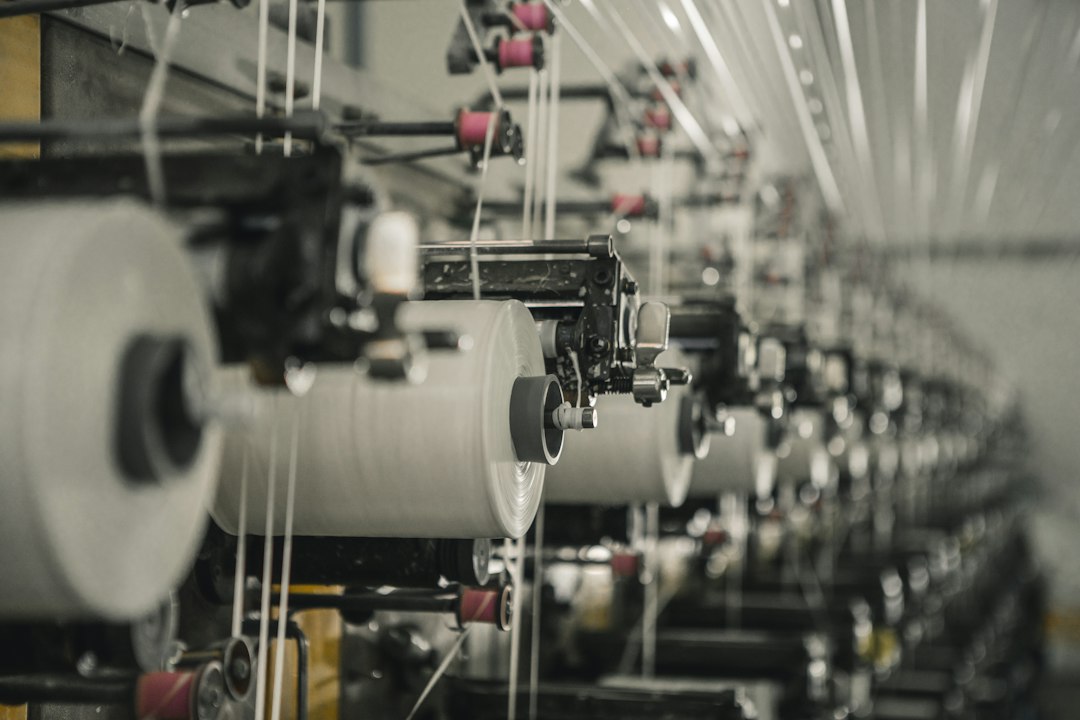
The output is not always a finished new shirt. It may be recovered fiber, pulp, polymer feedstock, or another intermediate material that must pass through spinning, extrusion, weaving, knitting, or finishing before becoming a product. Fiber quality is assessed in practical terms, including length, strength, cleanliness, and consistency. Traceability can also matter when manufacturers want to understand where recovered material came from and how it moved through processing. A fiber recycling facility is therefore part of a wider supply chain, not a standalone replacement for textile manufacturing.
Consumers can help by keeping textiles dry, separating obvious nontextile items, and following the collection rules of the program they use. They should also avoid assuming that every damaged garment belongs in a curbside recycling cart, since many local systems are not designed for textiles. The clearest measure of a recycling route is what material it accepts, what it produces, and whether that output has a realistic manufacturing use. Textile recyclers cannot erase every challenge in fashion waste, but fiber-to-fiber systems offer a practical way to treat excess and end-of-life textiles as material rather than automatic garbage.