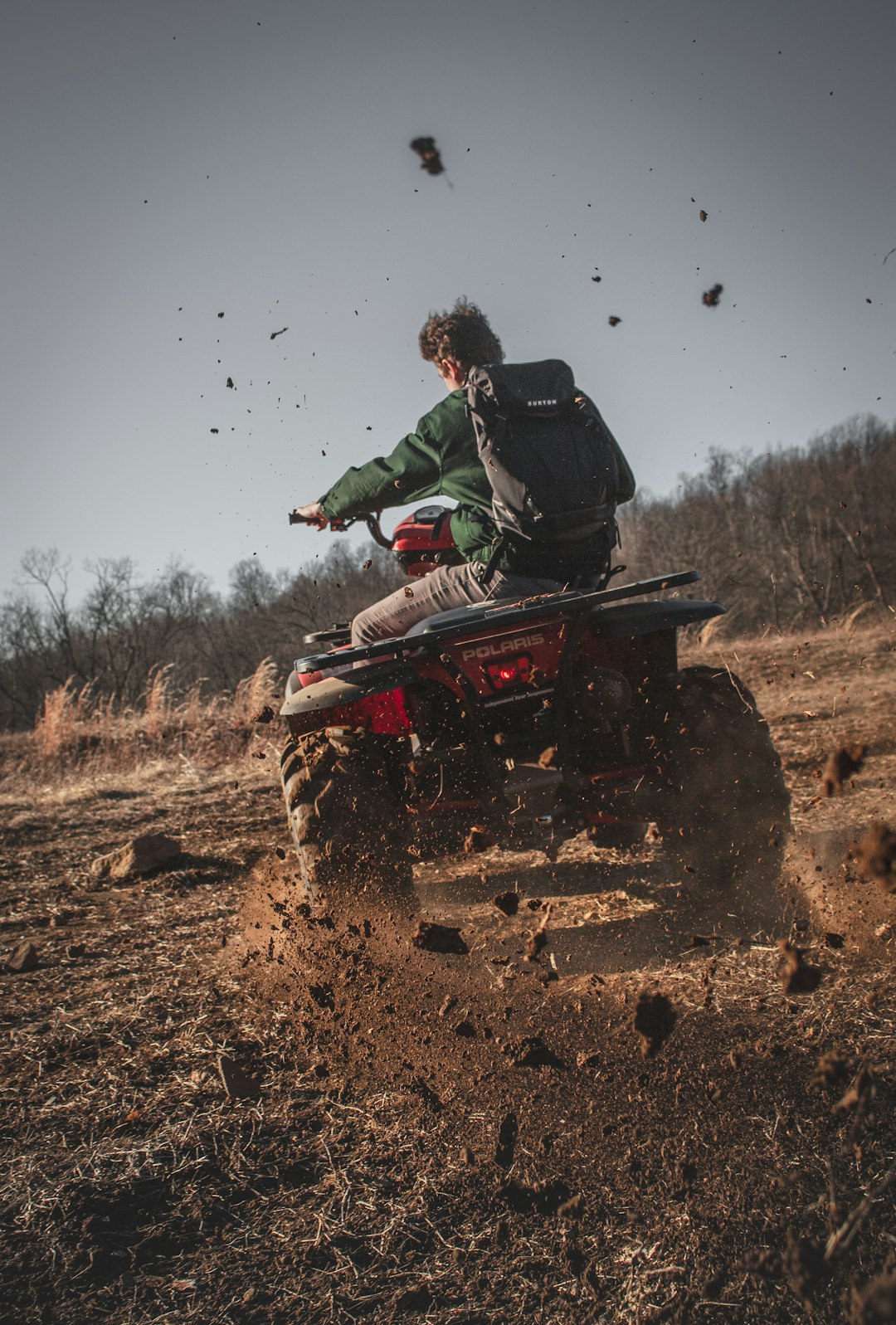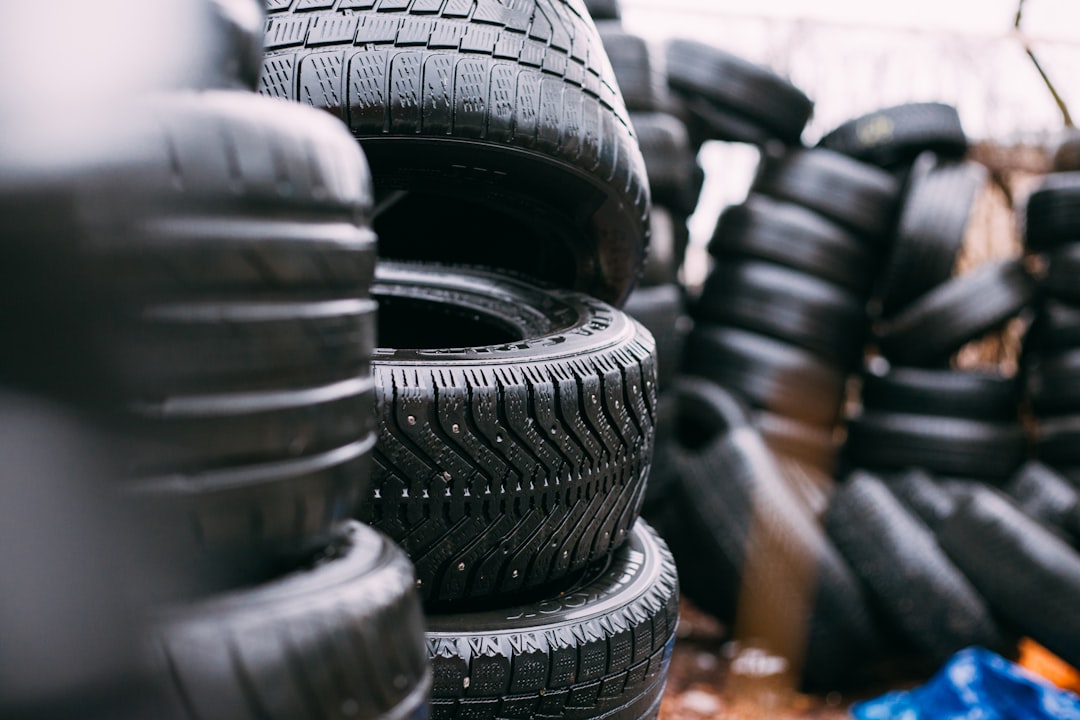

Tread pattern is the first technical detail worth understanding. The raised sections are lugs, and the spaces between them are voids. Taller, widely spaced lugs can clear mud as the wheel turns, while a closer pattern usually gives a smoother contact patch on firm trails. That does not make one design universally better. For example, a utility ATV carrying fencing gear across paddocks may benefit from dependable bite in soft ground, whereas a recreational rider on compact fire trails may prefer predictable steering and less vibration. Reviewing atv tyres australia makes more sense once those surfaces are clear.
Tyre size needs the same care. Read the size printed on the existing sidewall and compare it with the ATV manufacturer’s specified fitment, including rim diameter, width and overall diameter. A wider tyre is not automatically an improvement. It may alter steering effort, clearance or the load placed on transmission components. Imagine replacing worn rear tyres on a working quad without checking the front and rear pairing. Even when the rims fit, different rolling dimensions can affect handling and four-wheel-drive systems. If the original size is unavailable, seek tyre fitment guidance rather than guessing from a similar-looking pattern.
Load rating is another term that is often overlooked. It describes how much weight a tyre is designed to support under stated conditions, taking the ATV, rider, tools and carried equipment into account. A farm machine with a sprayer, trailer connection or loaded rack works harder than a lightly equipped trail bike. Inflation pressure also changes behaviour. Too little pressure can make the sidewall flex excessively and expose the rim, while too much can reduce grip on uneven ground. Use the vehicle maker’s guidance as the starting point, then make only careful adjustments for terrain and load.
Construction affects feel as well as durability. The sidewall is the tyre’s outer side section, and its stiffness influences how accurately the ATV responds when crossing ruts or leaning into a turn. A tougher casing may suit repeated contact with stones, but it can feel less supple over smaller bumps. Bias construction is common in off-road applications and uses overlapping layers arranged diagonally, giving a balance of flexibility and resistance to damage. Riders do not need to memorise casing terminology, but they should consider whether puncture exposure, comfort and steering control match the work ahead.
I also see tyres replaced in pairs without checking the other axle. Mixing substantially different tread depths or patterns can produce uneven behaviour, especially when traction changes between hard clay and loose gravel. On a short property loop, that may show up as one end sliding earlier than expected. Before fitting, inspect the rims for damage, confirm the bead seats properly and check clearance at full steering lock and suspension movement. After fitting, recheck wheel nuts according to the ATV maker’s instructions and establish a pressure-check routine. A small mismatch is easier to correct before it becomes an irritating handling problem.
Storage and maintenance influence the result long after purchase. Mud packed into the tread can hide cuts, while dried clay can make a tyre appear more worn than it is. Clean the casing with water, inspect for exposed cords, bulges and embedded objects, and check pressure before each longer ride. Sunlight, heat and chemicals can age rubber, so parked machines benefit from a cool, sheltered place away from fuel and solvents. Keep notes on where the ATV works and how the tyres behave there. That real-world record is more useful than choosing a pattern simply because it looks aggressive in a photograph.