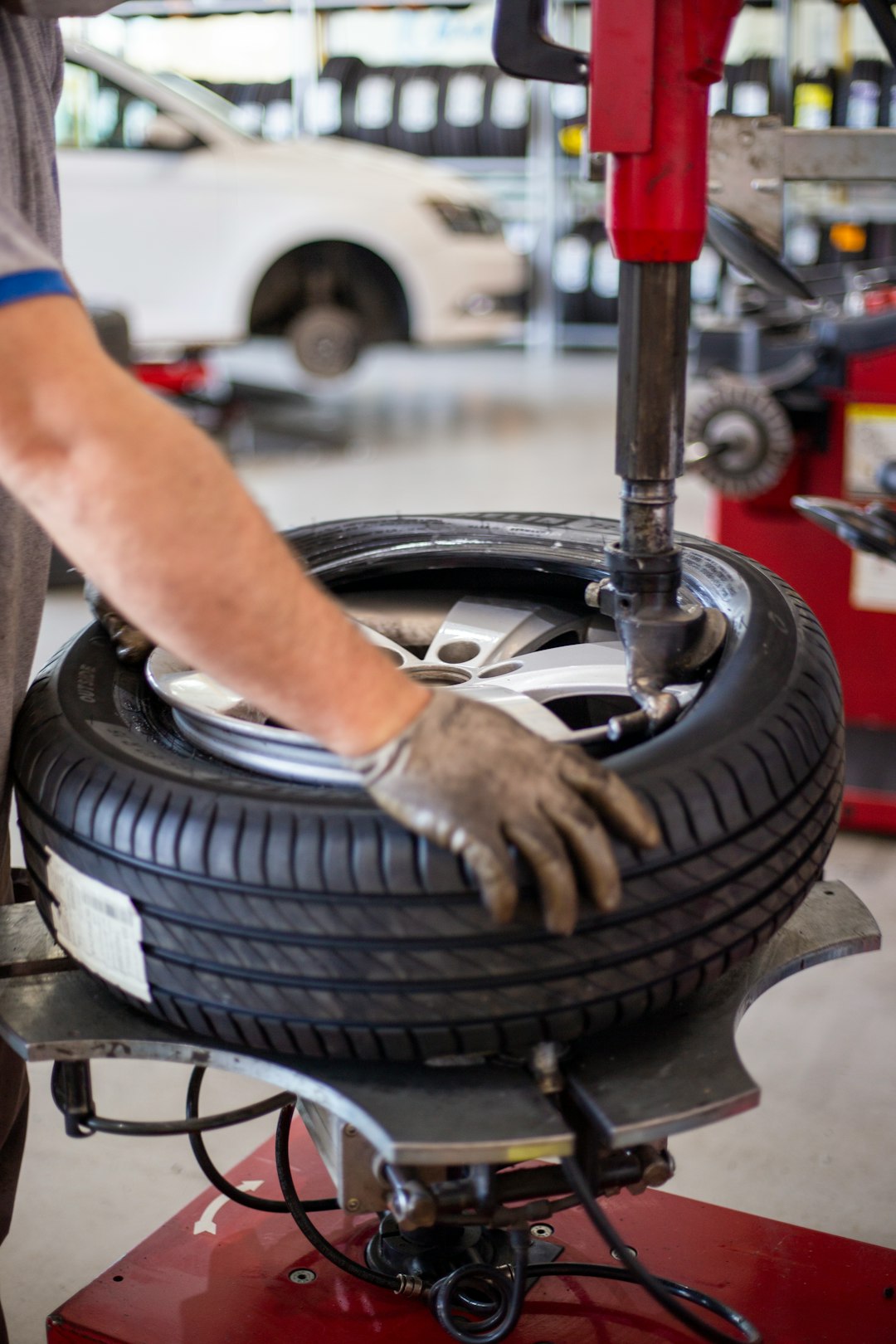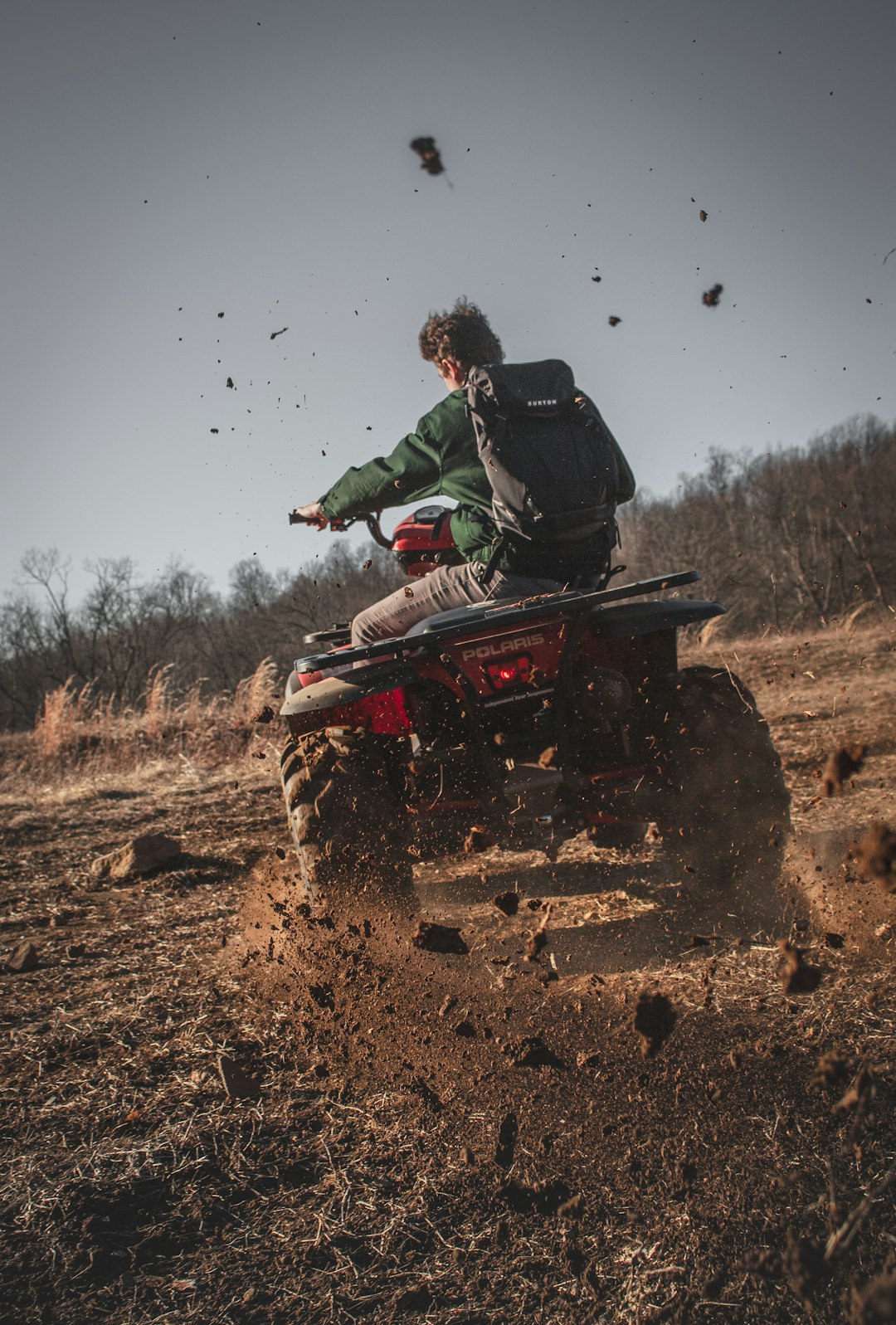

Start by studying the tread rather than judging a tyre by its appearance alone. Road biased patterns generally use closely arranged grooves and blocks to support a quiet, settled contact with smooth pavement. All terrain designs tend to leave more space between their larger blocks, helping loose material move through the tread as the wheel rotates. That open layout can bring useful grip on gravel and some muddy surfaces, but it may also increase road noise and make steering feel less precise on a motorway. The best compromise is the one that matches normal driving.
Construction matters as much as the pattern. The sidewall is the flexible section between the tread and the wheel rim, and its design affects how a tyre responds to impacts and sharp stones. Some models offer greater resistance to cuts or bruising, but no sidewall should be treated as immune to damage. Before purchase, compare the marked tyre size, load rating and speed rating with the vehicle handbook and the current fitment. Load rating states the weight each tyre is designed to carry, while speed rating identifies its tested speed category. Both remain relevant on a fully equipped touring vehicle.
Load the vehicle as it would be packed for a real trip before making pressure decisions. Camping equipment, water containers, tools and recovery gear alter braking, cornering and the way the tyres respond to bumps. Check pressures when the tyres are cold, ideally before leaving home, and use the vehicle maker’s figures as the starting point. Pressure changes the size and shape of the contact patch, which is the area touching the surface. A modest adjustment may be appropriate for certain loose conditions when supported by reliable guidance, but road pressures should be restored before returning to sealed surfaces.
An all terrain pattern is not automatically the right answer for a vehicle that spends nearly every kilometre in town. Deeper grooves and sturdier construction can increase rolling resistance, so the engine may need more effort to maintain speed. Block movement can also affect steering response, braking feel and cabin noise. Those compromises may be worthwhile for regular gravel travel, but less so for a driver who reaches an unsealed campsite only once or twice a year. Comparing an all terrain tires range by size, load capacity and intended use is more useful than choosing the most aggressive tread.
Maintenance preserves the characteristics you selected. Rotate the tyres in line with the vehicle and tyre maker’s guidance, since sharing wear across the set can help maintain consistent behaviour. During a pressure check, look for trapped stones, cuts, bulges and tread that is disappearing unevenly. Wear along one edge can indicate alignment or suspension trouble, while unusual wear through the centre or shoulders may point to pressure or fitment concerns. After a puncture or a hard impact, have the wheel and tyre inspected. Also ask for clearance checks if a non standard size is being considered.
Give a tyre specialist a realistic account of a typical week before ordering. Note the motorway share, the heaviest load, the surfaces encountered and the local weather, then take the handbook or a photograph of its tyre specification page to the appointment. Ask how the proposed fitment is expected to behave on wet sealed roads, whether its load rating suits the vehicle and which pressure and rotation guidance applies. A suburban driver visiting a gravel campsite twice a year needs a different balance from someone travelling daily to a remote worksite. Reviewing a suitable tyre range for touring with those details helps avoid buying for appearance rather than actual use.