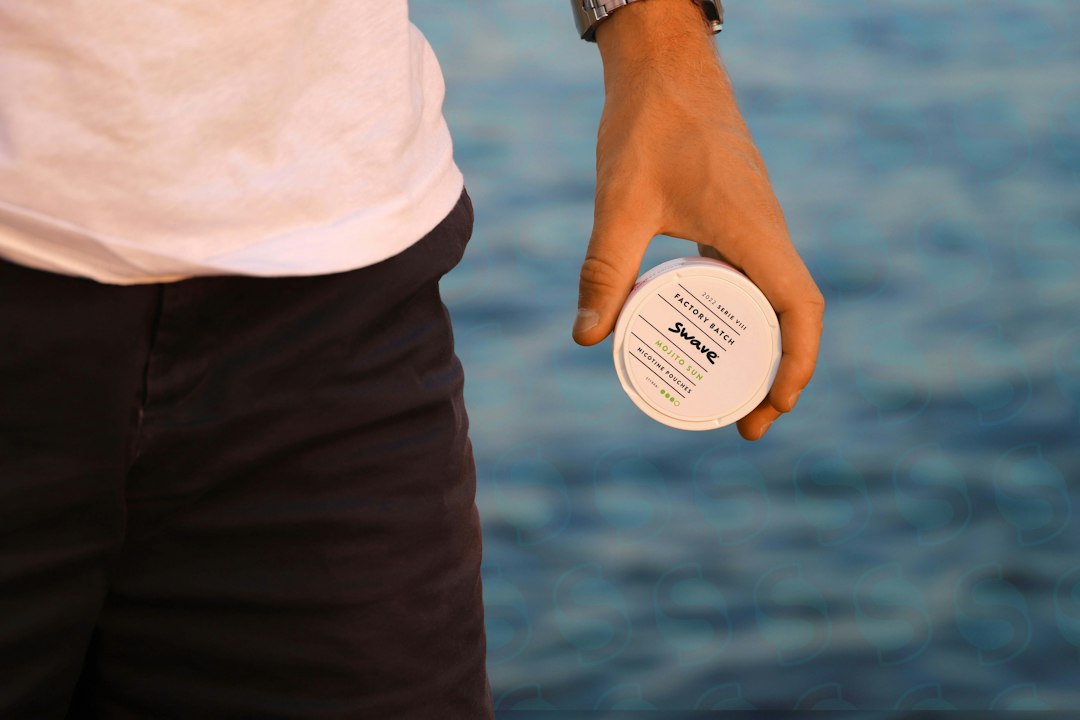

A clear label should identify the serving format, total contents, ingredients, allergens, storage directions, and relevant warnings. Check whether the stated THC amount applies to one candy, one capsule, or the entire container. THC is the cannabinoid chiefly associated with intoxication; CBD is different and does not produce the same intoxicating effect, though a product may contain both. Reviewing clearly described THC Edibles can help you compare formats, but an online description is not a substitute for the package in your possession. Take a quick photo of the label before opening it so the information remains available if the packaging is misplaced.
Edibles often take longer to produce noticeable effects than a person expects. The product must pass through digestion and absorption before THC reaches the bloodstream, and the timing varies with the product, metabolism, recent food intake, and other personal factors. Feeling nothing after 30 minutes does not prove that the serving was ineffective. Taking more at that point can create an unexpectedly strong experience once both portions take effect. Treat any onset estimate as approximate, follow the product directions, and wait patiently rather than trying to accelerate the process.
The noticeable effects may continue for several hours, with longer or stronger effects possible after a larger amount or additional serving. Plan around that possibility. A first experience is better suited to a quiet evening with no driving, work, childcare, errands, or important decisions afterward. Keep water and a light snack nearby, and tell a trusted sober person what you took and when. Do not combine THC with alcohol or other intoxicating substances. Mixing can make impairment, dizziness, anxiety, and poor judgment harder to predict, even if each substance seemed manageable on its own.
Edibles need deliberate storage because gummies, baked goods, and capsules can resemble ordinary food or supplements. Leave them in the original, clearly marked package and place that package somewhere children, visitors, and pets cannot reach. A locked cabinet is more reliable than a high shelf, especially in a busy household. Do not pour gummies into a candy jar or an unmarked container. Keep the product away from excessive heat and direct sunlight, and do not use it if the contents are unidentified or the label no longer matches the package.
Your response may differ sharply from a friend’s. Previous cannabis use, medication, health conditions, food intake, and individual sensitivity can all affect the experience. Unwanted effects may include anxiety, confusion, dizziness, drowsiness, or a rapid heartbeat. If discomfort develops, stop taking more, sit or lie in a quiet place, and ask a sober person to stay nearby. Avoid driving or making decisions until you are fully unimpaired. If symptoms feel severe, do not improve, or involve a child or pet, seek urgent medical or veterinary advice and keep the package available for responders. For responsible product sourcing, favor transparent labeling over attractive packaging or informal claims.
Before purchasing or using an edible, check the rules in the place where you live. Requirements may differ by location and product type, including age limits, possession, advertising, and authorized sales channels. Businesses evaluating wholesale supply should inspect invoices, product labels, storage procedures, and delivery documentation rather than relying on verbal assurances. A simple personal-use routine prevents many avoidable mistakes: read the label, record the time and serving, wait before considering more, avoid combinations, and remain in a safe place until the effects have passed. A pharmacist or qualified health professional can help assess possible interactions with medicines or existing health conditions.