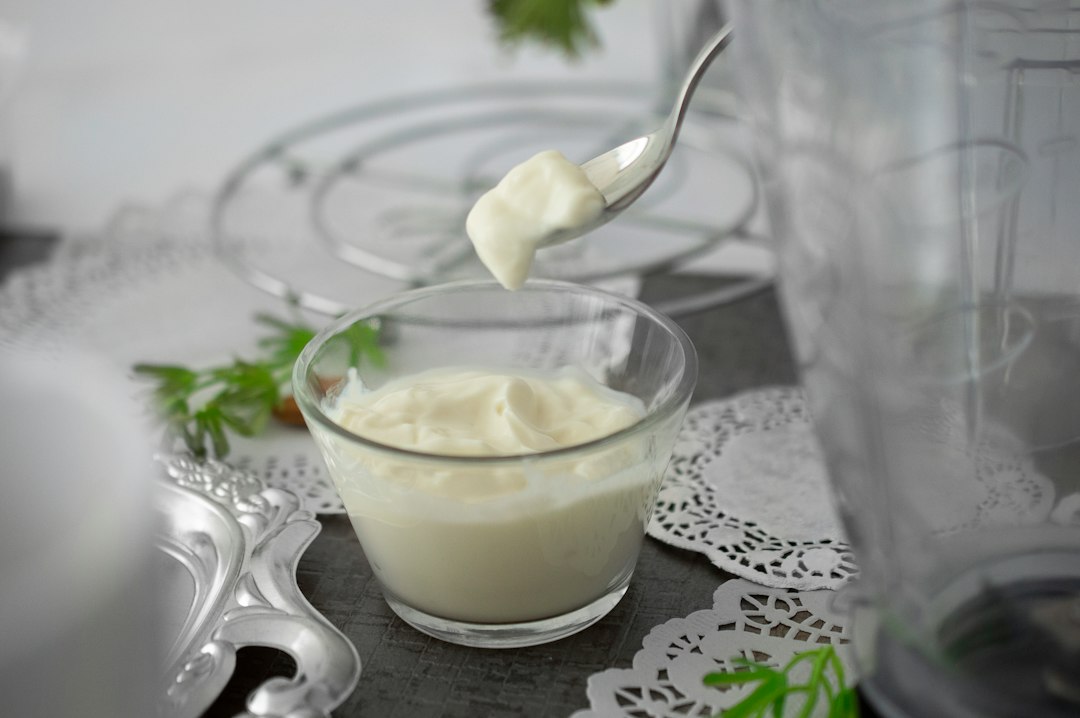

Start by choosing a culture suited to your base. Dairy milk provides lactose, the natural milk sugar that yogurt cultures ferment, while coconut cream needs a dairy-free starter designed for that ingredient. A product described as a probiotic yogurt culture may contain several live strains, but the label should still tell you how to use it and whether it is intended for repeated batches. For example, a coconut-based starter may be formulated with nine live strains and enough culture to prepare a larger quantity over multiple batches. Follow the package directions rather than guessing the amount.
Clean equipment matters because fermentation gives helpful cultures a chance to multiply, but unwanted microbes can also grow in the same environment. Wash the bowl, spoon, whisk, thermometer, and storage jars thoroughly, then rinse away soap residue. This is sanitation, meaning the practical reduction of contamination before you begin, not a guarantee that every surface is sterile. Warm the base only as directed by the starter instructions. Excessive heat can damage live cultures, while an overly cool mixture may ferment slowly. If you are using canned coconut cream, stir it well first so the fat and liquid are evenly distributed.
Once the base is ready, mix in the starter thoroughly so the microorganisms are distributed throughout the batch. This stage is called inoculation: adding the culture to the prepared food. Pouring the mixture into several small jars can make later storage convenient, although one large container also works. Cover it to protect the surface, then place it somewhere consistently warm for the time recommended by the culture maker. Fermentation is not simply resting. The microbes are changing the food’s chemistry by consuming available sugars and producing acids. As acidity increases, dairy proteins set into a gel, while coconut mixtures may need an added thickener for a firmer texture.
Check the batch by appearance, aroma, and consistency rather than opening it repeatedly. A clean, pleasantly tart smell and a thicker texture suggest that fermentation is progressing. If you prefer mild yogurt, stop closer to the shorter end of the recommended period; a longer fermentation generally produces a sharper flavor, though the instructions for your starter remain the main guide. A batch made with coconut cream may separate slightly because its fat and water behave differently from dairy. Stir it before chilling, or refrigerate it first if you want the mixture to firm. You can find a coconut yogurt culture designed for this style of preparation.
When the yogurt reaches the texture and flavor you want, refrigerate it promptly in covered containers. Chilling slows microbial activity and helps the texture settle, but it does not make an improperly handled batch safe. Use clean utensils each time you serve it and watch for unusual colors, fuzzy growth, unpleasant odors, or other signs of spoilage. For a realistic example, a family might divide one batch into weekday breakfast jars, leaving one jar plain and flavoring individual portions with berries or cinnamon after fermentation. Adding fruit before culturing can introduce extra sugars and contamination, so mixing it in after chilling is usually easier to control.
Treat each batch as a small experiment and record the base, starter amount, fermentation time, room conditions, and final texture. This simple log helps explain why one batch turns out thicker or tangier than another. Live cultures are microorganisms present in the finished food, while probiotics generally refers to live microorganisms studied for a health benefit when consumed in suitable amounts and circumstances. That distinction is why it is sensible to avoid promising a specific medical result from homemade yogurt. If you are new to fermentation, begin with the starter’s stated method, taste a small serving, and adjust only one variable at a time on your next batch.