Decide how the space will be used before selecting the number and length of lanes. One long practice lane may suit a club that wants realistic bowling, while several shorter bays can give a school better capacity during a lesson. Each bay needs enough room for the batter, bowler, and safe movement around the entrance. Curtains should park where they do not obstruct exits, equipment routes, or neighbouring activity. Draw the proposed arrangement with doors open and storage areas occupied. A layout that looks efficient on paper can become awkward if players have to walk behind an active batter to reach another lane.
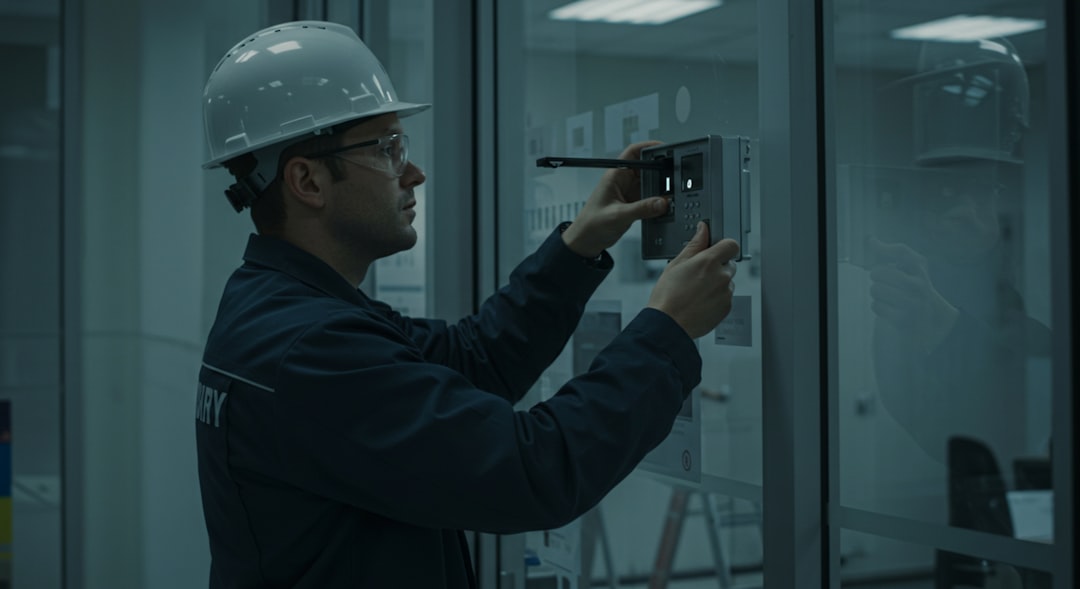
The support arrangement needs its own assessment. Indoor systems often use trackways, with rails fixed overhead or to another suitable structure so curtains can be opened and closed. The existing ceiling, fixing points, access equipment, and condition of the supporting structure should be checked by a competent installer. Do not assume that a suspended ceiling or exposed steelwork can accept the same fixing method. Rails should be aligned and joined carefully. A small height change at a joint can make a curtain drag, bunch up, or stop short of its parked position. Test the full travel of every curtain before other hall equipment is returned.
Mesh selection and suspension affect how the net behaves after impact. The curtain needs to contain properly struck balls while remaining flexible enough to absorb movement. Pulling it as tight as possible is not a reliable installation method. Excessive tension can place unnecessary load on fabric, seams, and fixings, while slack material may sag into the batter’s view or leave openings at corners. Pay attention to reinforced hems, suspension points, overlaps, and the way adjacent curtains meet. Ask the installer how the system is intended to move under impact, rather than judging quality by appearance alone. A neat finish should also remain practical during repeated opening and closing.
Inspect the bottom edge as carefully as the overhead track. A gap beneath a curtain lets balls escape and may create a trip hazard, but a drop that drags on the floor can wear quickly and interfere with roll-out cricket matting. The mat should meet the surrounding surface without a raised lip that traps balls or catches shoes. Before final adjustment, place the mat in its actual playing position and roll it out fully. Staff often notice the problem only after a session, when balls have gathered behind the mat edge. Coordinating the floor, net drop, and side protection before handover avoids that rework.
The bowler’s approach and the area behind the batter deserve specific attention. Loose folds, exposed framework, nearby storage, and poorly parked curtains can interfere with a run-up or become a contact point if a player moves unexpectedly. End protection can contain misdirected deliveries, but it does not replace sensible spacing, supervision, and clear access. Consider whether adjacent lanes will be active at the same time and how far a batter may hit a ball. Higher impact zones may call for more durable netting, while a lighter divider can suit separation between quieter activities. The choice should follow the expected use and the full layout.
Storage practice has a direct effect on service life. Curtains left in a heap can tangle, collect grit, or be folded while damp after cleaning. Provide a suitable bag or designated parking area, and show staff how to draw each curtain back without pulling on the mesh. A short closing routine should include checking that the track is clear, the curtain is fully supported, and the bottom edge is not caught under equipment. Inspect seams, hems, suspension points, and lower edges at regular intervals, especially after hard-ball sessions. For planned sports hall cricket nets, request maintenance instructions alongside the installation drawing.
Handover should take place with the hall arranged as it will be used, rather than with all equipment pushed aside. Ask the installer to demonstrate opening, closing, parking, and storing every curtain, then run a practical check with bats, balls, mats, and nearby apparatus in place. Confirm that doors open freely, sightlines remain usable, and no edge catches on padding or fittings. Keep the fixing plan, material details, and replacement information with the hall records. If the proposed arrangement brings together trackways, floor surfaces, protection, and several activity zones, obtain indoor cricket net planning before ordering. That review can identify access and clearance problems while changes are still straightforward.