
Highway terrain tyres generally use closely arranged tread blocks and broad areas of rubber touching the road. That layout can provide quiet running, stable motorway manners and a familiar steering feel on sealed surfaces. All-terrain tyres usually have wider grooves and more separated blocks, giving the tread more edges for gravel, firm tracks and occasional loose ground. The trade-off can include extra noise and a less precise response on smooth bitumen. Mud-terrain tyres have larger voids to release soft mud, but they may feel less settled on the road and can be tiring for a vehicle used mainly as a commuter.
The load index deserves attention before tread depth or sidewall lettering. It is a code that indicates the load an individual tyre is designed to carry under its specified conditions. Passengers, tools, drawers, camping equipment, a roof load and recovery gear can make a 4WD work much harder than it does on an empty weekday trip. The speed rating indicates the tyre’s rated speed capability under specified conditions. Neither rating is a target for driving, and neither should be treated casually. Check the handbook and vehicle placard, then confirm that any replacement meets the stated requirements.
Consider a family 4WD that spends most of the year on sealed roads and visits a gravel campground a few times annually. A highly specialised mud tyre may add road noise, feel less tidy through corners and wear differently without providing a useful benefit for that pattern of travel. A highway tyre or restrained all-terrain design may be a better fit. Tread grooves help move water and loose material away from the contact area, while the block edges provide grip. A deeper tread is not automatically safer in rain or better under braking. For a closer look at best tyres for 4wd, compare the design with the vehicle’s normal surfaces and loads.
A work 4WD faces a different set of demands. It may carry tools to construction sites, cross sharp gravel and encounter wet grass or a muddy access road before returning to the highway. In that case, inspect sidewall construction as well as the tread. The sidewall is the flexible section between the rim and tread, and cuts or impact damage there can remove a tyre from service even if the centre tread looks healthy. Reinforced construction may improve resistance to rough surfaces, but added material can increase weight and alter ride quality. Check that the tyre is intended for the vehicle’s load rather than relying on a rugged-looking sidewall.
Pressure is part of the tyre’s working setup. It changes the contact patch, the area of rubber meeting the ground, and influences heat build-up, steering feel and wear. Pressure that is too low for road travel can make the vehicle vague and encourage shoulder wear, while excessive pressure may reduce ride comfort and concentrate wear near the centre. Off-road adjustments may be appropriate for particular surfaces, loads and speeds, but there is no single setting for every track. Measure pressures before driving, use the vehicle’s stated cold setting as the road reference, and restore road pressure before the trip home.
The rubber compound also affects the compromise between grip, wear and operating conditions. A road-focused compound may be developed for quiet running and wet-road control, while an off-road-oriented compound may place greater emphasis on rough-surface durability. Rolling resistance describes energy lost as the tyre turns and can influence fuel consumption, although pressure, alignment, payload and driving style also matter. Inspect each tyre for cuts, bulges and irregular wear, especially after a rocky trip. If the tread is wearing on one shoulder or the vehicle drifts, have the alignment checked rather than assuming a different tread will fix the cause.
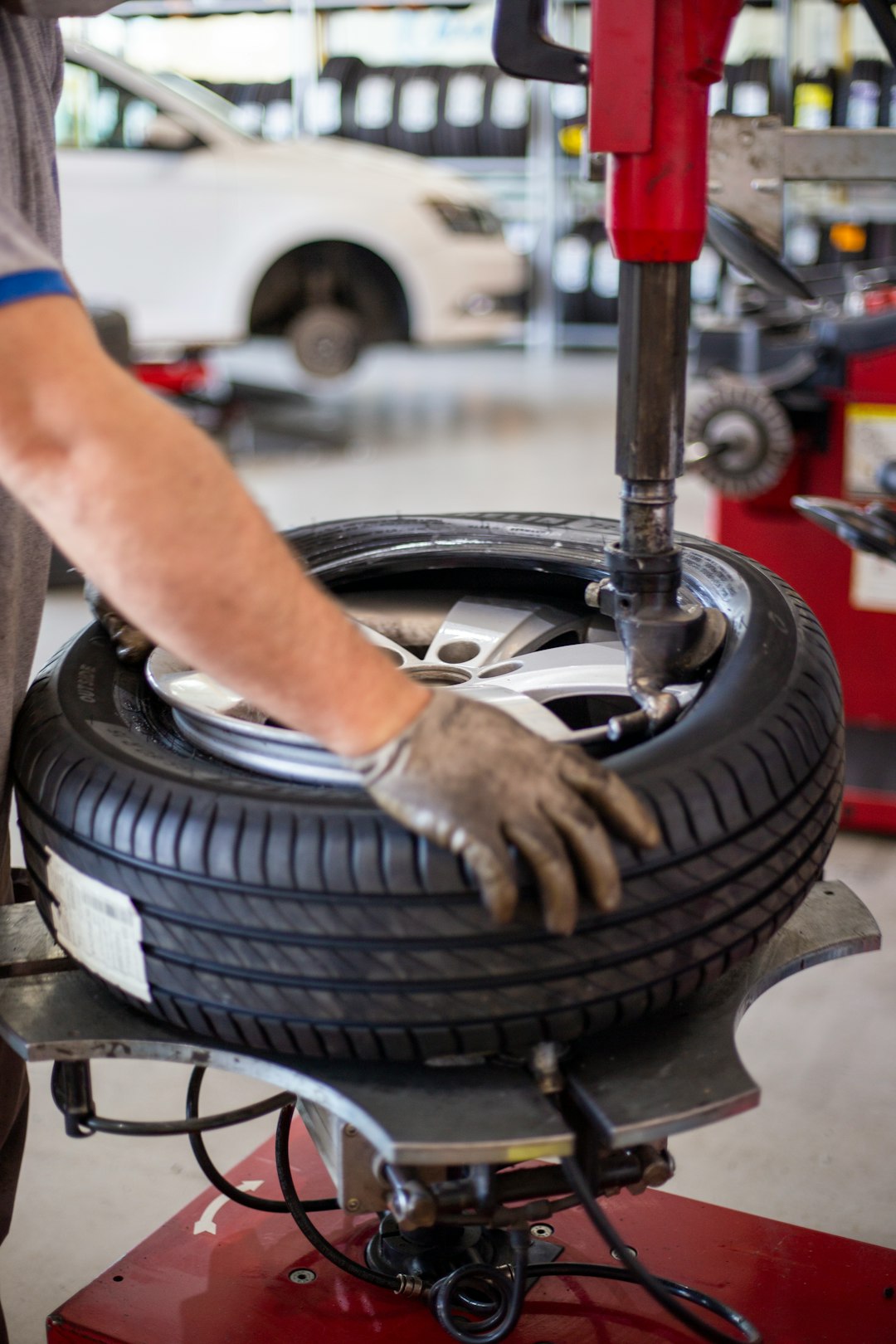
Before ordering, compare the wheel diameter, approved tyre dimensions, load index, speed rating and available clearance. A change in overall diameter can affect the speedometer reading, gearing and the room available for the spare. A wider or taller tyre can also touch suspension components, inner guards or bodywork during steering or compression. Ask the fitter to check the spare, balance the wheels and confirm that the valve hardware is suitable. A useful habit is to photograph the current placard and record the cold pressures before the appointment. Then compare road, gravel, sand and mud use with the available 4wd tyre selection rather than selecting on tread appearance alone.