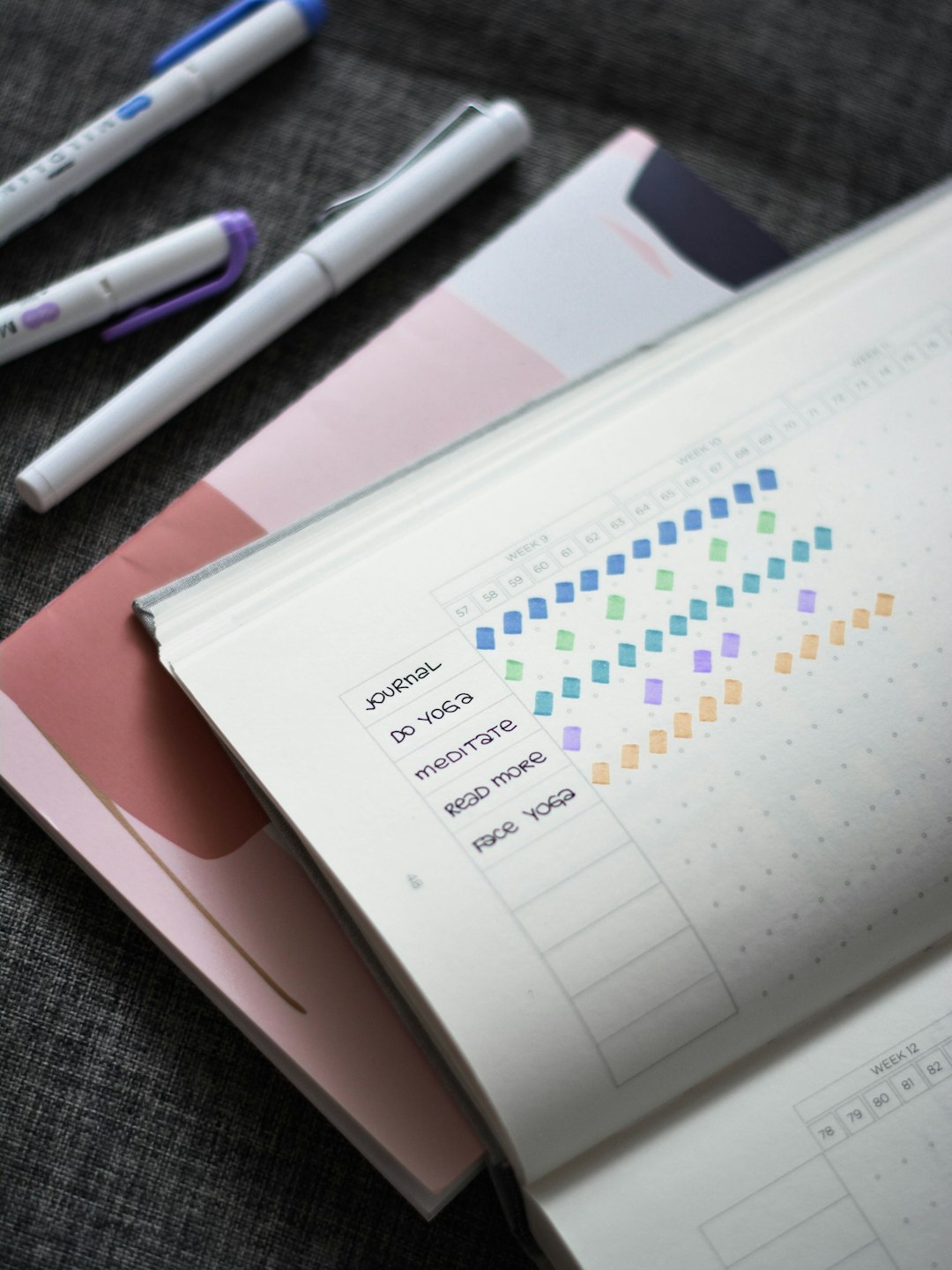

A useful starting point is the habit loop: a cue prompts a routine, and the routine produces a reward. Sitting down with coffee can cue a five-minute review of the day’s priorities. The reward may be simple relief because the first action is clear. An implementation intention makes the sequence more specific: if I finish coffee, then I will write one priority and its next physical action before opening messages. That action might be outline the introduction or call the supplier, rather than the vague instruction make progress. Small decisions of this kind support high performance habits by reducing morning negotiation.
The physical and digital setting can either reinforce the plan or quietly defeat it. Consider a manager who reserves two hours for strategic work but leaves email open, accepts meeting requests, and keeps every alert enabled. The calendar block signals intent, but the environment keeps offering alternatives. She can silence notifications, close the inbox, set a visible availability message, and place the strategy document in the first browser tab. A concrete target helps as well: draft the opening section of the plan and list three unresolved questions. The task is easier to start because its finish line is visible.
Switching tasks also carries a mental cost, even when each switch takes only a moment. After a client call, a person may open a spreadsheet while still replaying an objection or remembering a promised follow-up. A short transition routine can prevent that unfinished conversation from leaking into the next block. Before changing tasks, record the client name, the promised action, and the next step in the project note. Then take a minute to clear the desk and state what the next block is for. This does not eliminate interruption, but it gives unfinished work a reliable place to wait instead of relying on memory.
Energy deserves the same attention as time. Circadian rhythm refers to the body’s roughly 24-hour pattern of alertness and rest, and people often notice a consistent period when demanding thinking feels easier. A freelance designer might reserve the first quiet hours for concept development, answer routine messages after lunch, and schedule file organisation late in the day. The pattern will vary, so a two-week observation is more useful than copying someone else’s schedule. Note the time, task, and perceived concentration in a simple log. Protecting sleep, regular meals, movement, and brief pauses supports steadier output than treating every hour as equally capable.
Flow is best treated as a condition that can become more likely, not a switch that can be forced. Focus tends to deepen when the goal is clear, feedback arrives quickly, and the difficulty is neither trivial nor far beyond current skill. An editor may settle into concentrated work when each paragraph has a visible purpose and the next revision is easy to identify. If the assignment is too easy, attention wanders; if it is unclear or overwhelming, avoidance becomes more likely. People examining these patterns may find performance focus coaching useful for connecting standards, attention, and work design.
Measurement works better when it tracks behavior rather than mood. Instead of asking whether you felt motivated, record whether you began the priority before opening distracting sites, completed the planned focus block, or ended work at the intended time. These are leading indicators because they show whether the conditions for later results are improving. A weekly review can take ten minutes: mark what happened, identify the point of friction, and change one feature of the routine. If the task repeatedly fails to start, inspect its size and wording before accusing yourself of weak discipline. A five-minute first step often exposes a planning problem.
A practical reset can happen on Friday afternoon, before the next week fills up. Review the calendar, move unfinished commitments into a trusted task list, and write the first action beside each important project. Protect two or three focus periods, then decide which requests can wait or be grouped into one reply window. Keep a short shutdown note with open loops, pending decisions, and the place where each document is saved. On Monday, that note replaces the vague memory of what mattered last week. The routine remains adjustable: shorten a focus block during a crowded period, change the cue if it is unreliable, and preserve the steps that consistently prevent rework.