
Distance matters, but remoteness is not the same as quality. A manageable journey can provide enough separation from work and household routines without making travel exhausting. Cognitive load, meaning the mental effort involved in processing noise, decisions and interruptions, can remain high after arrival if the trip is awkward or the booking details are unclear. Check the confirmation email before leaving, including arrival instructions, access information and dining arrangements. Once there, a couple might silence their phones, settle in with a drink and decide later whether the spa or restaurant suits their energy.
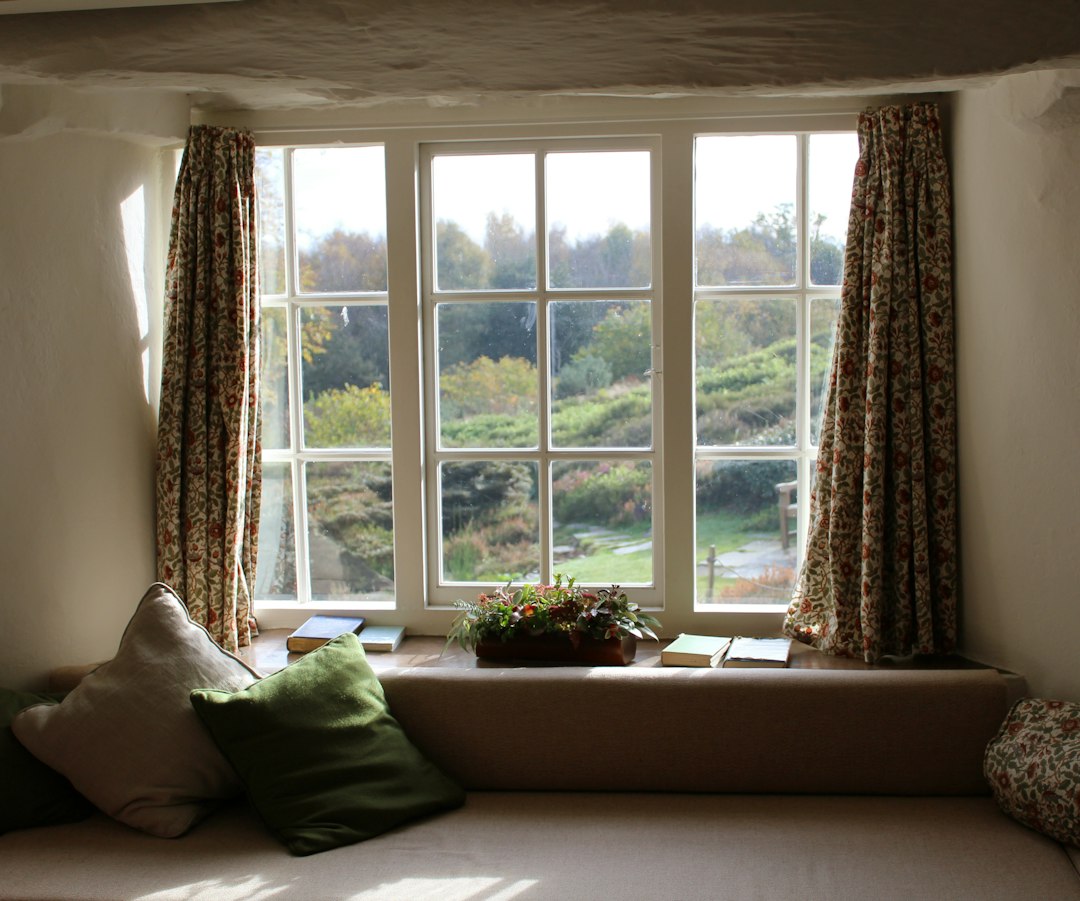
Luxury should be judged by how well a room supports sleep and privacy, not only by its appearance. Before booking an adult retreat perth, consider the sleeping layout, bathroom facilities, shared spaces and any access requirements. Small details can affect the experience: whether light enters early, whether the room stays comfortably warm and whether one guest can get up without waking another. A practical habit is to note questions while reading the accommodation information, then ask them together rather than sending several separate messages. That avoids avoidable surprises on arrival.
A restorative stay also needs room for unplanned time. Circadian rhythm is the body’s approximate 24-hour pattern of alertness and sleep, and late-night screens, irregular meals and constant alerts can disturb a familiar routine. You do not need to follow a wellness programme to support it. Softer lighting, a warm shower, a quiet meal and a consistent bedtime may be enough. Someone accustomed to checking work messages in bed might leave the phone in a bag across the room, read for twenty minutes and discover that doing less feels more useful than fitting in one more activity.
Spa facilities can be helpful, but they are not a guaranteed answer to stress. Warm water, massage or a quiet treatment may encourage physical relaxation, while ongoing health concerns still belong with an appropriate medical professional. Hydrotherapy uses water for comfort and relaxation, often through warmth or buoyancy. Its value is partly sensory, so the surrounding pace matters. A guest with tight shoulders after desk work may prefer one gentle treatment followed by time in the lounge. Booking three appointments close together could leave little opportunity to notice how the body actually feels.
Retreats are not reserved for couples marking an anniversary. Friends, siblings, solo travellers and colleagues can all want a quieter change of scene, although their preferred balance of company and privacy may differ. Two friends could share breakfast, take a walk and then read separately. A solo visitor might choose a restaurant meal because it removes the need to shop, cook and wash up before an early night. Discuss dining preferences and treatment timing in advance, and agree how much private time each person wants. A clear conversation often prevents small misunderstandings from shaping the whole stay.
The benefit of a short retreat may be modest but still worthwhile: better sleep, a calmer conversation or a temporary break from habitual multitasking. Compare the accommodation with your actual plans rather than counting every available inclusion. Look for comfortable sleeping arrangements, quiet areas, nature, food and optional wellness facilities, then leave gaps between activities. Information about retreat accommodation and amenities can help you assess whether the setting fits your preferred pace. A good booking should make rest easier to begin, not create a new project of organising it.