
A tender package should contain coordinated architectural, structural and services information rather than just a floor plan and finishes schedule. The scope must state what the contractor provides, as well as exclusions, interfaces and owner responsibilities. One price may include civil drainage while another leaves it outside the contract. Provisional allowances should be identified where work cannot yet be priced accurately, such as uncertain ground conditions, with a clear method for replacing them with actual costs. Owners comparing Commercial builders Mildura should check inclusions, exclusions, assumptions and programme dates line by line.
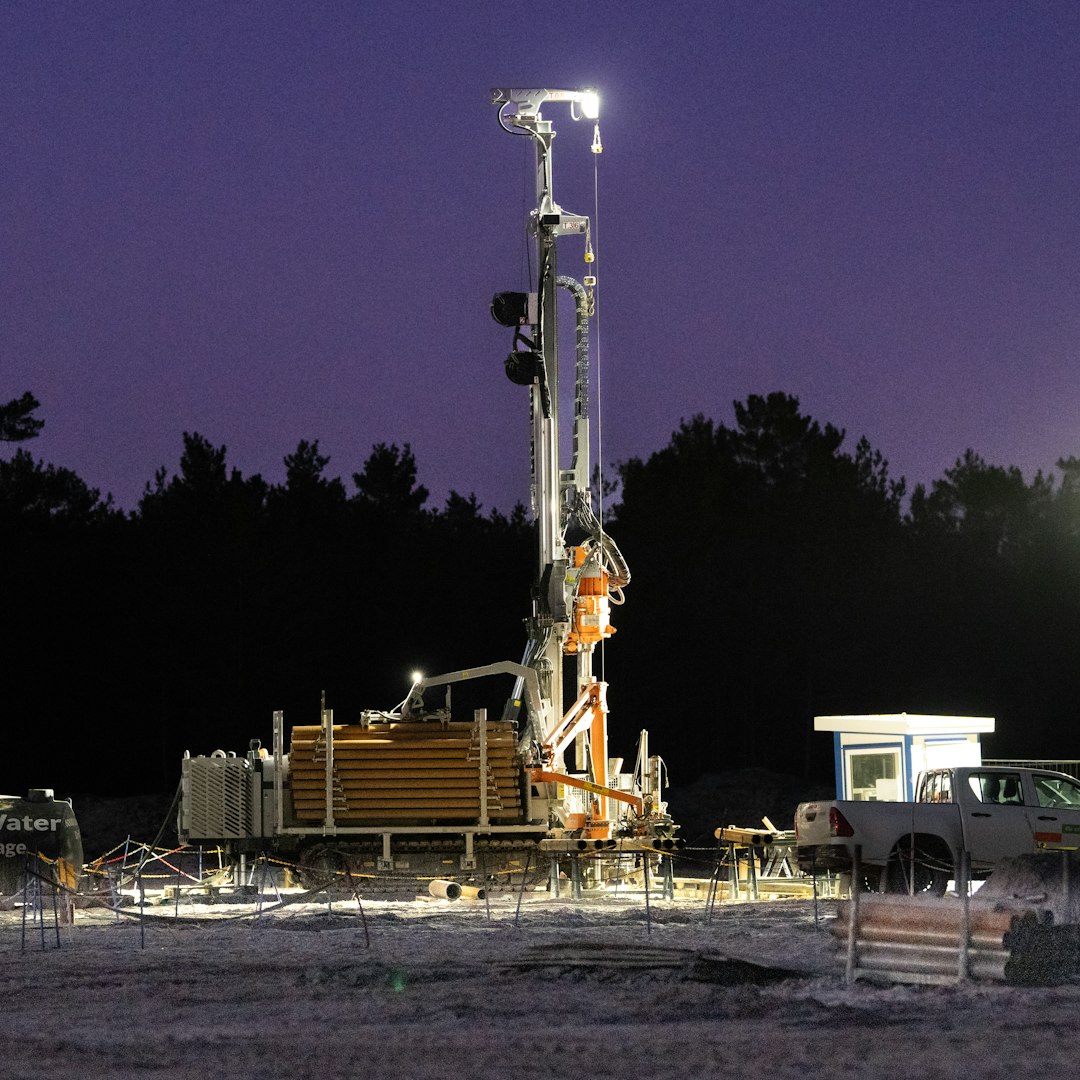
Investigation before excavation can prevent avoidable disputes. A geotechnical report may describe soil behaviour, bearing capacity and groundwater, but existing slabs, filled ground and buried services can still create surprises. A warehouse extension, for example, might reveal redundant concrete or an unrecorded water main. Agree how such discoveries will be assessed, who may give instructions and which provisional sums apply. A contingency should cover defined uncertainty, not become an informal fund for design changes. If safe to do so, record discoveries with photographs, a site note and the likely cost or time effect before work resumes.
A construction programme needs more substance than a target completion month. It should identify design release dates, long lead items, inspections, service connections, commissioning and handover activities. Include dependencies, such as the information needed before a switchboard or roller door can be ordered, and review them at regular project meetings. A food premises might look finished yet remain unable to open because refrigeration power, drainage tests or compliance documents are incomplete. Marking each dependency with a named person makes slippage visible earlier. Float, or spare time in a sequence, can disappear quickly after one delayed delivery.
Services coordination should be checked before materials are fabricated or installed. Mechanical ductwork, electrical containment, plumbing, structure and access panels all compete for limited ceiling and wall space. If a duct route meets a beam, the problem is a design coordination failure rather than a minor site inconvenience. Ask for coordinated drawings or a shared model where the project justifies that level of control, and resolve clashes before work reaches site. Mildura conditions also warrant a review of plant locations, maintenance access, dust exposure, heat, noise and the effect of external equipment on neighbouring businesses.
Changes should be controlled through written instructions instead of casual conversations beside the work area. A variation records the requested change, its reason, the price basis and its effect on time. If reception joinery is altered after materials have been ordered, the builder should identify cancellation charges, replacement lead times and any related electrical work before approval. Keep a decision register with dates, responsible people and the person authorised to spend money. A short email confirming the agreed instruction after a site meeting can prevent a later disagreement about what was actually requested.
Handover involves more than exchanging keys. Plan inspections, defect correction, testing, certificates, warranties, maintenance information and staff training well before occupation. Commissioning checks systems under intended operating conditions, including alarms, ventilation, access control and mechanical balancing where relevant. A retail tenant may find that the doors work but staff do not know how to isolate services or report a fault. A handover schedule should name each document and test, while a managed defects period separates outstanding construction work from routine maintenance. Owners seeking mildura commercial construction planning should also confirm who will answer operational questions after occupation.