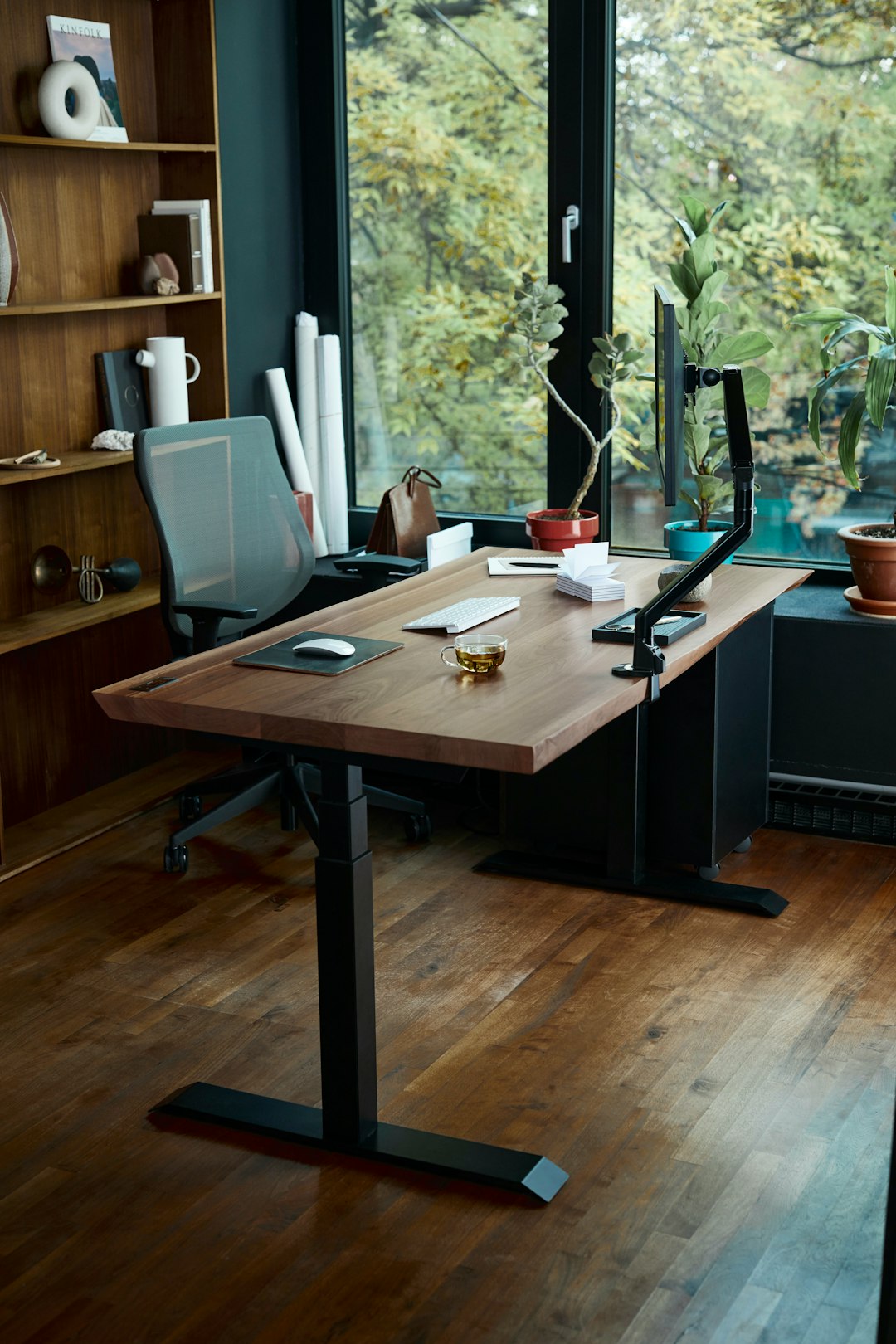

Functionality is just as important as style. Take hooks, for example. A well-chosen hook near the entry can hold coats and bags but also act as a subtle art piece. Decorative brackets and corbels aren’t just for support; they add texture to walls and bring shelves to life without cluttering the room. Practicality should guide your choices here, avoid overly ornate items in busy areas where they could snag clothing or get damaged. It helps to map out where you’ll install each accessory so you don’t end up with mismatched sizes or awkward placements.
Scale matters more than most people realize. Large furniture calls for hardware with presence, thick pulls or bold knobs help balance the visual weight. Smaller furnishings benefit from delicate, streamlined accessories that don’t overpower the design. For instance, pairing oversized handles with a petite dresser can throw off the room’s rhythm. Measure your pieces and lay accessories next to them before committing. A simple tape measure can save hours of guesswork and returns.
Keep style consistent between rooms that flow into each other. If your kitchen sports minimalist, matte black hardware, try to carry that motif through to adjacent spaces like bathrooms or pantries. This doesn’t mean everything must match perfectly, but a shared color scheme or finish creates a quiet harmony. Random mixes might feel disjointed and cheapen the overall aesthetic. A good habit is to collect samples of finishes and take photos of installed hardware, so you have a clear reference during shopping trips.
Look for curated collections that combine quality with design sense. Collections let you pick complementary items easily: coordinating cabinet handles, hooks, and brackets designed to work well together. Quality craftsmanship means smoother operation and longer-lasting finishes, especially in high-use areas like kitchens and bathrooms. Avoid cheap accessories that chip or loosen quickly; they often end up costing more in replacement and repair time. Checking product reviews and testing hardware in-store can help identify these issues early.
Personal preference should never be sidelined. Accessories reflect who you are, not just what’s trendy or popular. If a quirky hook makes you smile every time you see it, that’s worth more than fitting into a certain style box. Similarly, if elegant, understated knobs elevate your furniture’s look, don’t be afraid to invest in them even if they’re pricier. Small details like these add character and make a house feel lived-in rather than staged.
Practical details often get overlooked but can save headaches down the line. For example, grouping installation hardware (screws, anchors) in labeled bags avoids confusion during fitting. Keep a simple checklist of what goes where, door size, handle type, finish, to prevent ordering mistakes. Another trick: try mounting one piece before committing to all; this reveals any ergonomic issues or clashes with existing decor early.
Ultimately, smart choices blend style with utility and personal taste. Spend time comparing options against your daily habits, how often you open cabinets, what items you hang on hooks, to ensure each accessory earns its place. With thoughtful selection, your home won’t just look polished; it will function better and feel uniquely yours. For ideas on finding well-matched items that suit real living spaces, explore home accessories. To see how these choices can shape your entire home environment, visit .