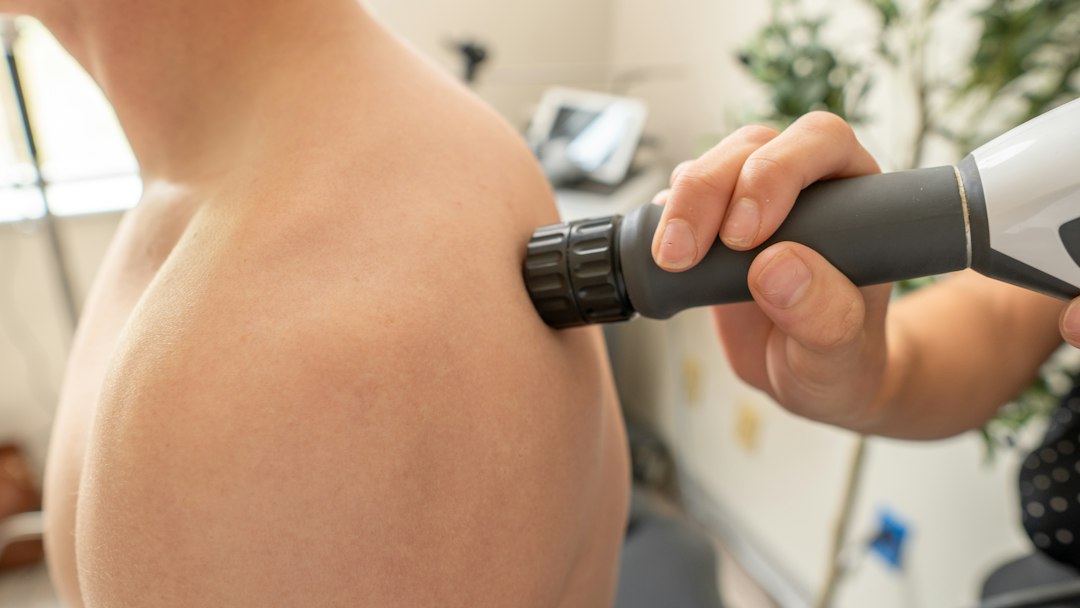

At the clinic, the physiotherapist explains the rotator cuff as a set of muscles and tendons surrounding the shoulder joint, key to stabilising it and allowing smooth movement. They perform a detailed assessment that involves checking which movements trigger pain, testing muscle strength, and observing posture and range of motion. This thorough examination helps create a treatment plan tailored to the person’s specific injury and lifestyle demands. Patients often mention confusion about what exercises to do or avoid; the physiotherapist clarifies these points early on to prevent setbacks.
Consider an amateur athlete who feels persistent shoulder pain after a heavy training day. Initially dismissed as normal soreness, the discomfort soon makes throwing or lifting weights difficult. Seeking help from a sports-focused physiotherapist reveals the importance of early treatment to stop minor injuries from worsening. The therapist guides the patient through exercises that target weak rotator cuff muscles and improve flexibility, reducing strain during activity.
Hands-on techniques like manual therapy are commonly used to ease muscle tightness and relieve pain around the shoulder blade and surrounding tissues. These sessions often involve gentle joint mobilisations or massage, which patients find helpful for immediate relief. Alongside this, home exercise routines are given to rebuild strength gradually. Patients are advised to keep notes on their progress and any pain flares to share at follow-ups. Such records help adjust therapy plans effectively.
The first physiotherapy visit typically includes education on the injury mechanism and expected recovery timeline. Understanding why certain movements hurt can empower patients, encouraging them to actively participate rather than passively wait for healing. Some patients worry about overdoing exercises; therapists emphasise pacing and listening to one’s body to avoid aggravating symptoms.
Telehealth physiotherapy is becoming more common, especially when frequent clinic visits aren’t practical. Video calls allow therapists to observe exercises performed at home, offer corrections in real time, and modify programs based on current symptoms. This setup suits those balancing work commitments or living far from specialised clinics. It’s important for patients to have a quiet space and good internet connection for these sessions to be effective.
Insurance coverage for physiotherapy can vary widely. Patients should check with their provider whether sessions are covered under private health plans or if Medicare rebates apply for treatments related to chronic conditions or accident recovery. Understanding these details beforehand can prevent surprises at billing and relieve stress around managing costs. Some physiotherapists offer payment plans or bulk billing depending on circumstances.
Choosing the right physiotherapist depends on the injury type and personal goals. For acute sports injuries, therapists with experience in athletic rehabilitation are ideal, while chronic shoulder issues linked to repetitive office work may require a different approach focusing on posture correction and ergonomic advice. Consulting a healthcare professional for recommendations can steer patients toward appropriate care.
For anyone exploring treatment options, checking out alongside rotator cuff rehabilitation techniques can provide practical information tailored to individual needs.