Living with pets brings joy, comfort, and companionship, but it also comes with the unavoidable challenge of lingering odors. From dogs that love to romp in the mud to cats who occasionally miss the litter box, pet smells can become a persistent nuisance in any home. Fortunately, there are practical ways to manage and minimize these odors without compromising on the love and warmth pets bring to our lives.
One of the most effective ways to combat pet odors is to start with the source. Regular grooming is essential. Bathing dogs as needed and brushing them frequently helps remove dander and loose fur that can trap smells. Cats generally take care of grooming themselves, but long-haired breeds or older cats may need assistance. Keeping pets clean goes a long way in reducing the overall odor in your home.
Equally important is maintaining a clean living space. Vacuuming carpets, upholstery, and pet bedding frequently helps eliminate hair and dander buildup. It’s helpful to use a vacuum with a HEPA filter, which traps fine particles that can contribute to musty smells. Washing pet bedding, blankets, and toys on a regular basis can also prevent odors from embedding into fabrics.
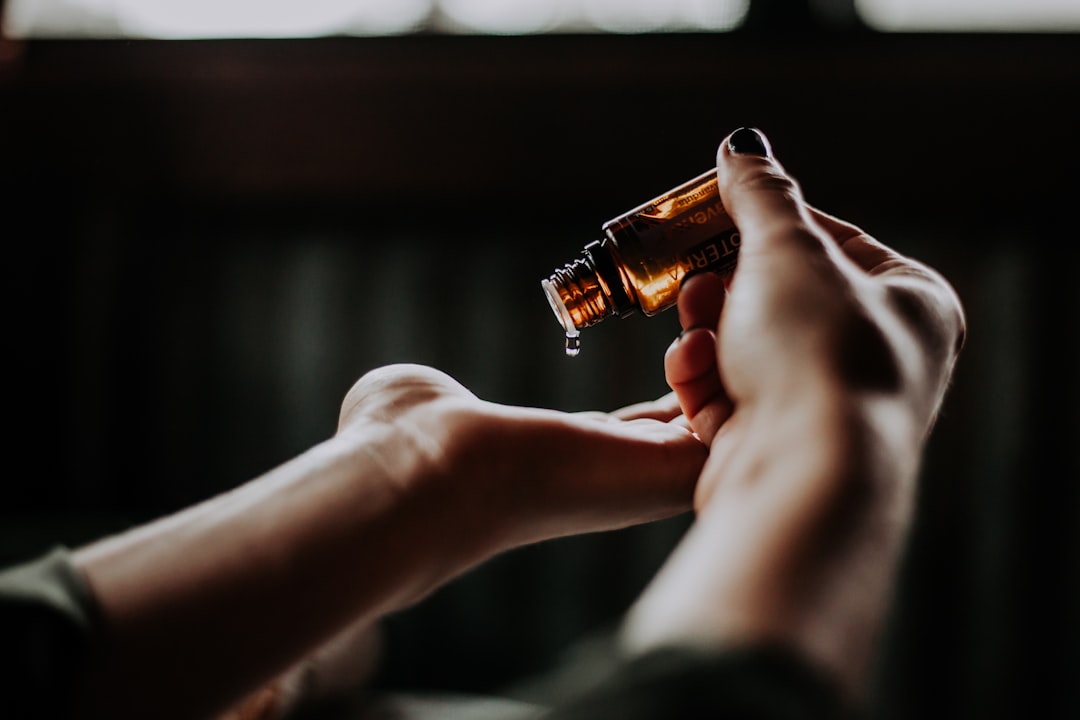
Many pet owners overlook the importance of air circulation. Opening windows regularly can help freshen the air naturally. Using a high-quality air purifier with a carbon filter can further help in neutralizing airborne pet odors, especially in enclosed spaces. Some people turn to scented candles or essential oil diffusers, but it’s important to ensure any fragrances used are pet-safe and non-toxic.
When odors persist despite cleaning efforts, it might be time to consider more targeted pet odor solutions. These can include enzyme-based cleaners designed to break down the organic compounds in pet urine and dander. Unlike traditional cleaning products that simply mask odors, enzyme cleaners work at the molecular level to eliminate the source of the smell. They are especially useful for cleaning carpets, rugs, and upholstery where accidents may have soaked in.
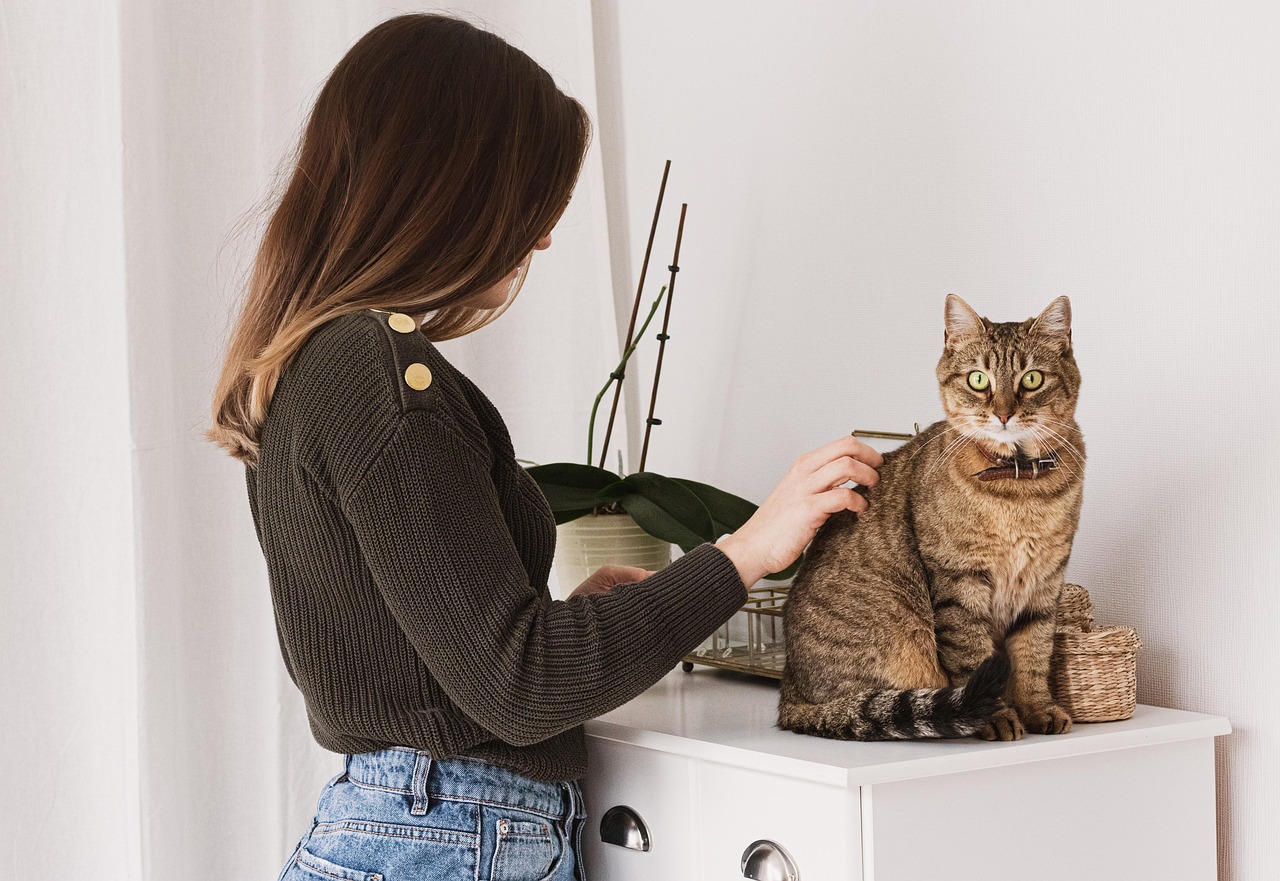
Litter boxes can be another major source of odor, particularly in small apartments or homes with multiple cats. Scooping litter daily and changing it out weekly can significantly reduce unpleasant smells. Some pet owners opt for covered litter boxes or those with built-in odor control, but even the best designs require consistent maintenance. Ventilation in the area where the litter box is kept also plays a key role in odor management.
Sometimes, managing pet odor means thinking beyond cleaning. Odor-neutralizing products, such as sprays, gels, or plug-ins, can provide additional support. These products are designed to absorb and neutralize odors instead of just covering them up. When choosing such solutions, it’s wise to look for ones that are free from harsh chemicals and safe for use around animals. For those looking to explore more tailored options, this guide on eliminating pet smells in the home offers a helpful starting point.
Pet odor issues can also stem from health problems. If a normally clean pet suddenly starts to smell bad or has frequent accidents, it may be time for a vet visit. Issues like dental disease, skin infections, or digestive problems can all contribute to unpleasant odors. Addressing underlying health issues not only improves your pet’s well-being but also helps maintain a fresher home environment.
Ultimately, the key to long-term pet odor control is consistency. By combining good hygiene practices, regular cleaning, and thoughtful odor management solutions, pet owners can enjoy all the benefits of their furry companions without the downside of unpleasant smells. Creating a routine that incorporates these strategies will ensure that your home remains a welcoming place for both pets and guests alike.