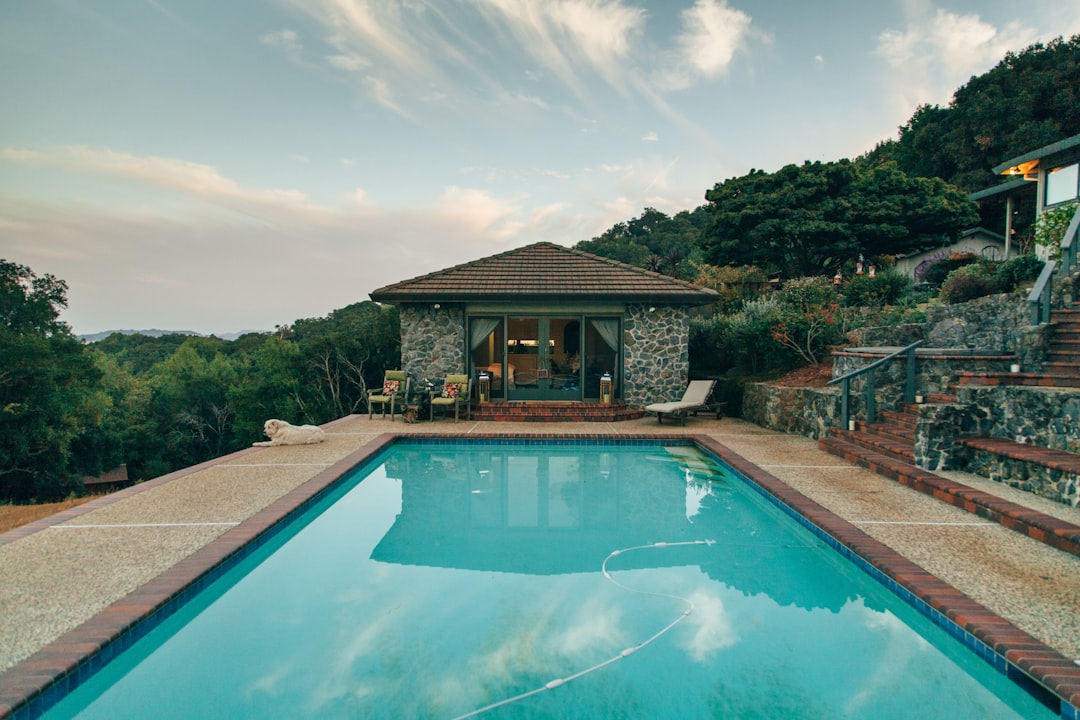
Imagine turning your backyard into a calm retreat that fits perfectly with Ontario’s natural scenery. Natural swimming pools offer a distinctive alternative to regular pools by combining clean, swimmable water with garden elements. They use plants and biological filters instead of chemicals to maintain water clarity, giving you a refreshing spot to relax without harsh additives. More homeowners are choosing these pools for their eco-friendly nature and easier upkeep compared to traditional pools. One practical detail: proper initial planting is critical. If native aquatic plants aren’t established well from the start, the filtration system won’t work efficiently, leading to more maintenance down the line.
People often ask how these pools stay clean without chlorine or other chemicals. The secret is a bio-filtration system where aquatic plants and helpful bacteria remove impurities naturally. This setup mimics how ponds cleanse themselves, so swimmers avoid irritants common in conventional pools. For example, a family in Ontario installed a natural pool surrounded by native cattails and water lilies, which not only keep the water clear but also attract frogs and dragonflies, enriching local biodiversity while providing a safe swimming spot for their kids.
A frequent misunderstanding is that natural pools demand constant care. In fact, once the ecosystem is balanced, maintenance mostly involves checking plant health and removing debris like fallen leaves. A well-designed pool includes gravel beds and strategic plant placement to minimize algae growth and keep water oxygenated. One homeowner I know spends about 30 minutes a week on basic maintenance during swimming season, much less than the time required for chemical balancing in a traditional pool.
Design flexibility is another strong suit. These pools can have shallow zones for lounging or deeper areas for serious swimming. Stone edges or wooden decks add both function and style. For instance, incorporating flat stones around the pool’s perimeter creates natural seating spots, while a wooden deck provides a dry area nearby. Such features make the pool not just a place to swim, but an integrated part of the backyard’s overall atmosphere.
Installation costs vary widely in Ontario, generally between $4,000 and $20,000 depending on size and complexity. The upfront price includes excavation, lining, planting, and filtration setup. Although this might seem steep initially, many owners report savings over time due to no chemical purchases and lower energy costs since natural pools don’t need constant circulation pumps running at high speed. Before committing, it’s wise to get detailed quotes and clarify what’s included to avoid unexpected expenses later.
Beyond economics, natural pools provide environmental benefits that traditional pools can’t match. They create habitats for insects, birds, and amphibians while using natural filtration to reduce water pollution. Some homeowners keep logs of species visiting their pool area as a way to track local wildlife health, a small habit that deepens appreciation for their investment. Choosing a natural pool is often motivated by this desire to support local ecosystems while enjoying a personal swimming space.
For anyone thinking about installing a natural swimming pool in Ontario, consulting with professionals familiar with local conditions is important. Experts can guide you through design choices that suit your landscape and ensure compliance with environmental regulations. Also, understanding how to winterize your pool properly is key; natural pools need specific steps like removing certain plants and covering exposed areas to survive cold months without damage. A common mistake is skipping this process, which can lead to costly repairs come spring.
If you want to learn more about these pools and how they could transform your backyard, consider exploring natural swimming pools ontario options available through local services. For general information on sustainable garden practices that complement these pools, check out . Both resources offer practical advice grounded in Ontario’s climate and environment.