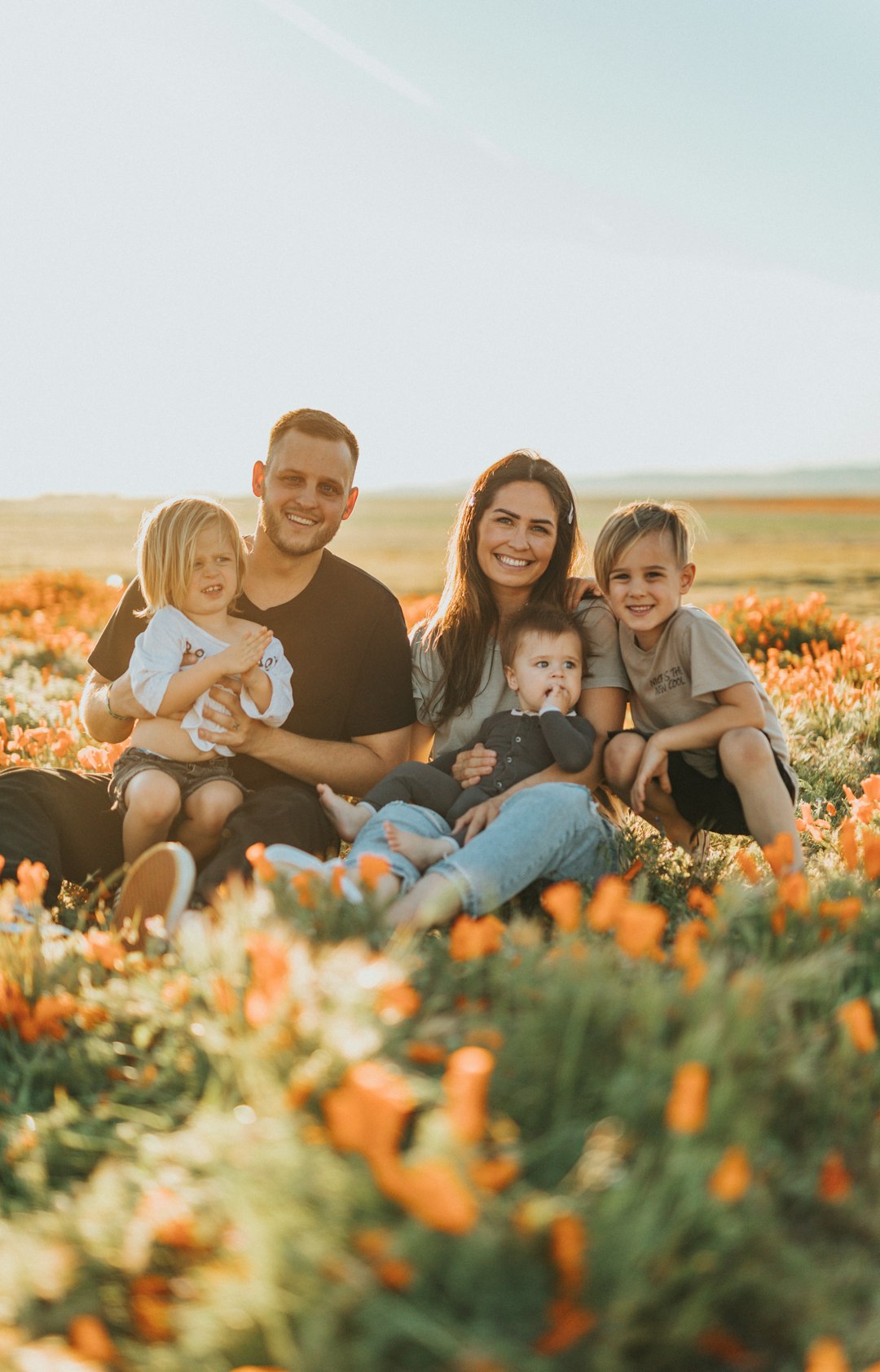

Location and timing deserve attention before anyone steps in front of the camera. A beach can reflect strong light into young faces, while a shaded park may have a busy trail, loud playground, or distracting background. Check the proposed spot at approximately the session hour. Look at parking, walking distance, restroom access, noise, and where the light falls. Build in a few settling minutes as well. A family arriving directly from school pickup may need water, a snack, or a bathroom stop before photographs feel natural. Checking these details beforehand prevents avoidable rushing.
Clothing should coordinate without making everyone look uniform. Select a related color range, such as muted blues, warm neutrals, or earth tones, then vary fabrics and shapes. Denim, knits, and linen can add texture while keeping attention on faces. Skip prominent logos, tiny repeating stripes, and garments that require constant pulling into place. Clothing should allow a child to sit on a lap, a parent to lift a toddler, and siblings to move comfortably. Put a backup shirt in the car for spills, but avoid bringing an entire suitcase of alternatives. Too many choices can create stress before the session begins.
Light affects the photograph more than a popular time label alone. The period near sunrise or sunset often offers lower, softer light, but the best arrangement depends on the location and the family’s needs. Open shade can protect faces from harsh direct rays while leaving enough brightness from the sky. If a bright background leaves people dark, the photographer may change the group’s angle, move into shade, or adjust exposure for faces. A quick phone snapshot of the location at the planned hour can reveal glare, deep shadows, or an unwanted backdrop before the appointment.
Camera settings support the mood rather than replacing good direction. Shutter speed controls how long movement is recorded, so a faster setting can help with a running child or a spontaneous jump. Aperture controls the lens opening; a wider opening may soften the background, though faces positioned at different distances need careful focus. ISO helps the camera work in dimmer conditions, with higher settings sometimes producing more visible grain. These choices change during a session. A quiet parent and infant portrait calls for different priorities than a group racing toward the water, even under the same sky.
Posing works better as a sequence of relationships than as a list of body adjustments. Begin with a reliable group arrangement, then vary it by having parents kneel beside a child, siblings hold hands, or everyone turn toward the youngest person. Prompts produce more useful reactions than repeated instructions to smile. Ask who gives the best hug, invite partners to walk shoulder to shoulder, or have a grandparent tell a brief story. Watch for discomfort and take a break early. A quick restroom visit or water break often restores cooperation more effectively than several extra requests to behave.
The selection process should preserve the family’s story, not just the frames in which every person faces the lens. Include a close portrait, a wider image that shows the setting, and an imperfect photograph containing a laugh, glance, or protective gesture. Review images at a sensible size and check focus, blinking, awkward background objects, and whether expressions feel familiar. Decide how the photographs will be used before choosing favorites, since a wall print and an album may call for different proportions and groupings. A well-planned family photo session can leave a coherent record of this particular season, including the small interactions that posed images cannot fully show.