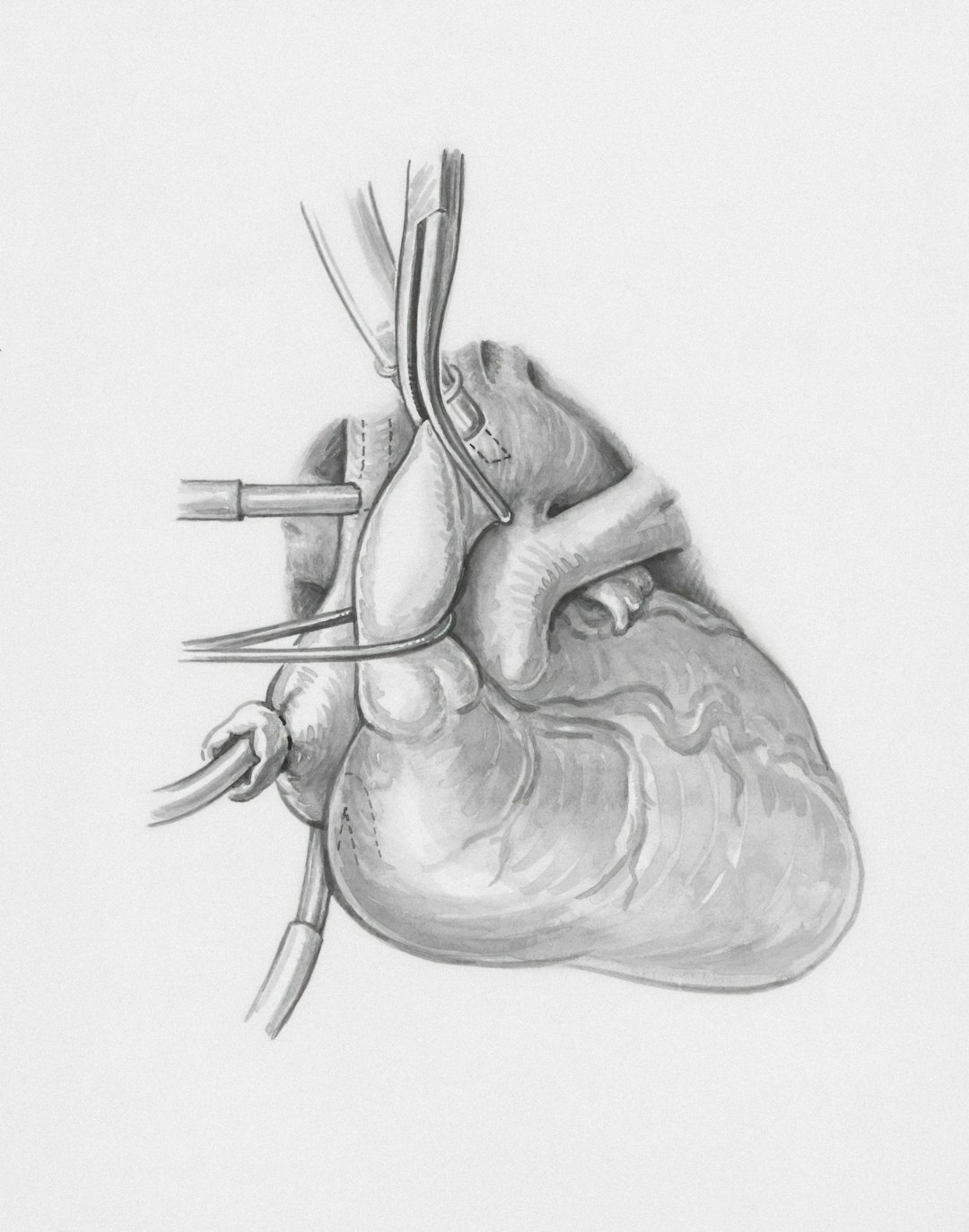
Holistic medical care is gaining increasing recognition as a comprehensive approach that considers the entire person, not just their symptoms. Rather than focusing solely on treating illness, it seeks to understand and address the physical, mental, emotional and even spiritual aspects that contribute to overall wellbeing. This model of care recognises that health is influenced by a variety of interconnected factors, including lifestyle choices, diet, environment, relationships and stress levels.
At the core of holistic care lies the belief that the body possesses an innate ability to heal itself when given the right support. Practitioners who embrace this philosophy often take time to understand a patient’s full health history and current life circumstances. Instead of simply prescribing medication for a headache, for example, a holistic health professional may explore underlying causes such as poor sleep, nutritional imbalance, emotional distress or muscular tension.
This approach often combines conventional medicine with complementary therapies to form an integrative treatment plan. That might include nutritional counselling, acupuncture, herbal medicine, meditation, chiropractic treatment or massage therapy. The goal is not just symptom relief, but long-term healing and prevention. In many cases, patients are encouraged to make lifestyle adjustments that align with their body’s natural rhythms and needs.
One of the defining features of holistic medical care is the emphasis on patient empowerment. Rather than being passive recipients of treatment, individuals are encouraged to take an active role in their own healing journey. This can lead to a greater sense of control, improved mental health and more sustainable health outcomes. Patients are guided to develop healthier habits, make informed decisions and cultivate a deeper awareness of their own bodies.
An important element of this approach is the therapeutic relationship between practitioner and patient. Time is spent building trust and understanding, which allows for a more personalised and compassionate care experience. This relationship-centred model helps practitioners identify subtle factors that may contribute to illness or imbalance, including emotional stress or unresolved trauma that might not surface in a traditional medical consultation.
This deeper understanding can be particularly beneficial in managing chronic conditions. For instance, individuals suffering from autoimmune disorders, digestive issues or anxiety may find that a holistic plan addresses root causes that conventional treatments might overlook. By reducing inflammation through dietary changes, restoring gut health or supporting mental wellbeing, many patients experience significant improvements.
The rise in popularity of holistic care reflects a broader shift in public expectations around health. More people are looking to feel heard, understood and treated as a whole person. This has led to a growing demand for care models that integrate natural therapies with evidence-based medicine. The outcomes can be especially meaningful for those who have struggled to find relief through traditional approaches alone.
Of course, holistic care is not a replacement for acute medical intervention when necessary. Rather, it complements traditional healthcare by supporting the body’s resilience and enhancing quality of life. Many practitioners work in collaboration with GPs, specialists and allied health professionals to ensure that all aspects of a patient’s health are addressed comprehensively.
For individuals interested in exploring natural ways to support their health, understanding the principles of holistic care can be an empowering first step. It encourages a more intuitive relationship with the body and a proactive stance on wellness. Whether the goal is to manage stress, improve energy levels or address a chronic condition, this approach offers a pathway that is both compassionate and practical.
To learn more about the philosophy and methods behind this approach, exploring holistic health services can provide useful insights and options for those seeking a more integrated path to wellbeing.