Finding water in your basement after a heavy rain isn’t just annoying; it can cause serious damage and lead to expensive repairs. Many homeowners rely on old-school waterproofing methods that don’t hold up well over time. A better option is applying a liquid membrane. This material forms a flexible, rubber-like layer that blocks moisture far more reliably than traditional barriers.
Liquid membranes are made from liquid rubber compounds. Once applied, they dry into a tough, pliable coating that moves with your building’s natural shifts. This flexibility prevents cracks and gaps from forming, which often happens with rigid membranes. They’re especially useful around foundations and basements, where moisture exposure is constant and structural movement is inevitable.
Basements are notorious for dampness and mold growth if waterproofing isn’t done right. Applying a liquid membrane can cut down on these problems by sealing surfaces against water penetration. The process involves cleaning the wall or floor thoroughly, removing any loose debris or dust, then painting on the membrane with a brush or roller. It’s important to let each coat dry completely before applying the next to avoid trapping moisture underneath.
Pools create a unique challenge because the waterproofing must hold up under constant water pressure. Traditional methods sometimes fail here, causing leaks that damage pool structures. Liquid membranes bond strongly to concrete and fiberglass, creating a durable barrier that resists water seepage even after years of exposure. They’re also suitable for fountains and similar features where water is continuously present.
Applying liquid membrane doesn’t require professional skills. Many homeowners manage the task themselves, which saves money. The key is preparation: the surface must be clean, dry, and free of grease or loose paint. Mixing the product properly is also crucial , incomplete mixing can result in uneven curing. Using a brush for edges and a roller for larger areas works best for coverage.
Coverage rates vary but typically one pint covers around 10 square feet when applied in two coats. Planning your project means measuring the surfaces carefully and checking product specifications. Online calculators can help estimate how much you need, preventing overbuying or shortages. It’s common for people to underestimate the amount needed, especially if they forget to account for uneven surfaces or multiple layers.
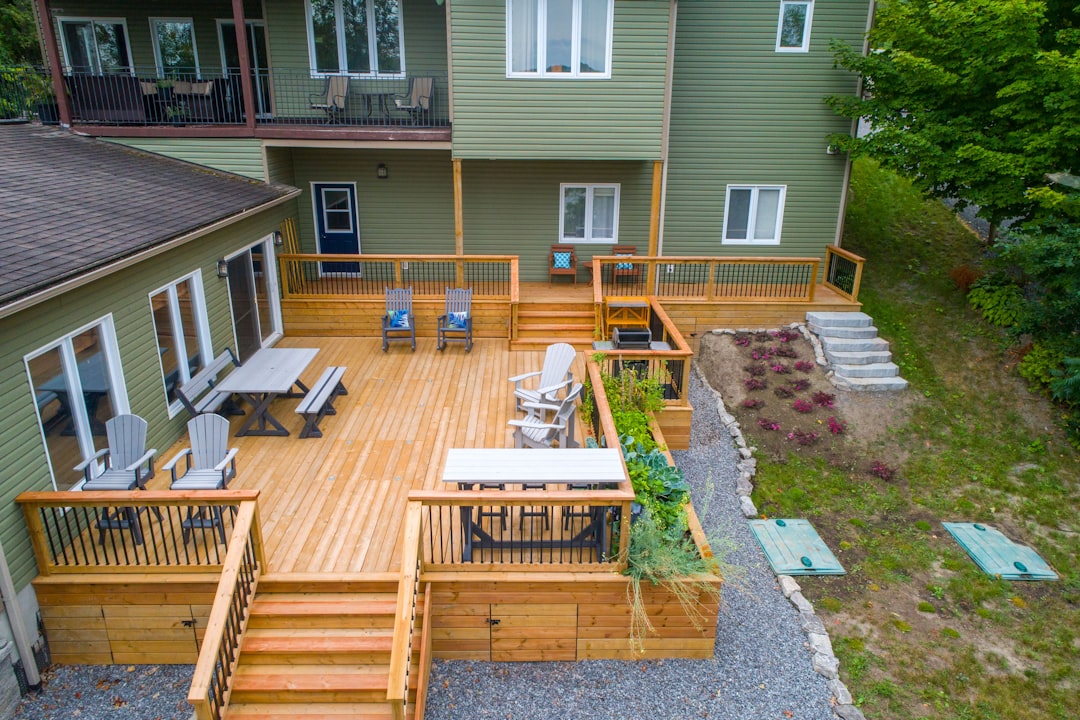
Liquid membranes aren’t just for concrete or masonry. They also protect wooden structures from rot caused by moisture exposure. Decks, patios, and even low-slope roofs benefit from an extra waterproof layer. Applying the membrane in thin, even coats helps avoid peeling or bubbling later on. Many users find that prepping wood with a primer improves adhesion and longevity.
For more detailed guidance and recommendations tailored to different situations, check out waterproofing advice and tips.