Picture walking into a small cafe that immediately feels warm and lively. The smell of freshly brewed coffee greets you, while the seating invites you to stay longer. If you’re planning to open a cafe, creating that kind of atmosphere requires more than just a good menu. You need a clear design plan that fits your space and customers. Understanding how layout, furniture, lighting, and technology come together can save you from costly mistakes and help build a spot people want to return to.
Start with the layout. Space in a small cafe is precious. Positioning the counter near the entrance helps baristas serve customers quickly and keeps lines moving. Think about how people will flow through your shop during rush hours. Arrange tables to balance social spaces with private corners. Mixing communal tables with small booths gives customers choice, whether they’re meeting friends or working alone. Also, leave enough room between seats for comfort but don’t waste floor space.
Choosing furniture is more than picking what looks good. Comfort matters because people might spend hours with their laptops or chatting with friends. If your style is rustic, sturdy reclaimed wood tables and mismatched vintage chairs add character and warmth. For a modern vibe, opt for minimalist designs with clean lines and neutral colors. Durable materials are key; check for scratches and stains before buying. A common slip-up is ignoring how easy it is to move chairs around or clean under tables, which leads to frustration later.
Lighting affects mood and practicality. Aim for plenty of natural light during the day by using large windows or skylights when possible. It makes the space feel open and lets customers relax without straining their eyes. In the evening, softer, layered lighting helps create a cozy atmosphere. Use a mix of pendant lamps, wall sconces, and small table lights to add depth. Highlighting product shelves or artwork with spotlights can draw attention without overwhelming the room.
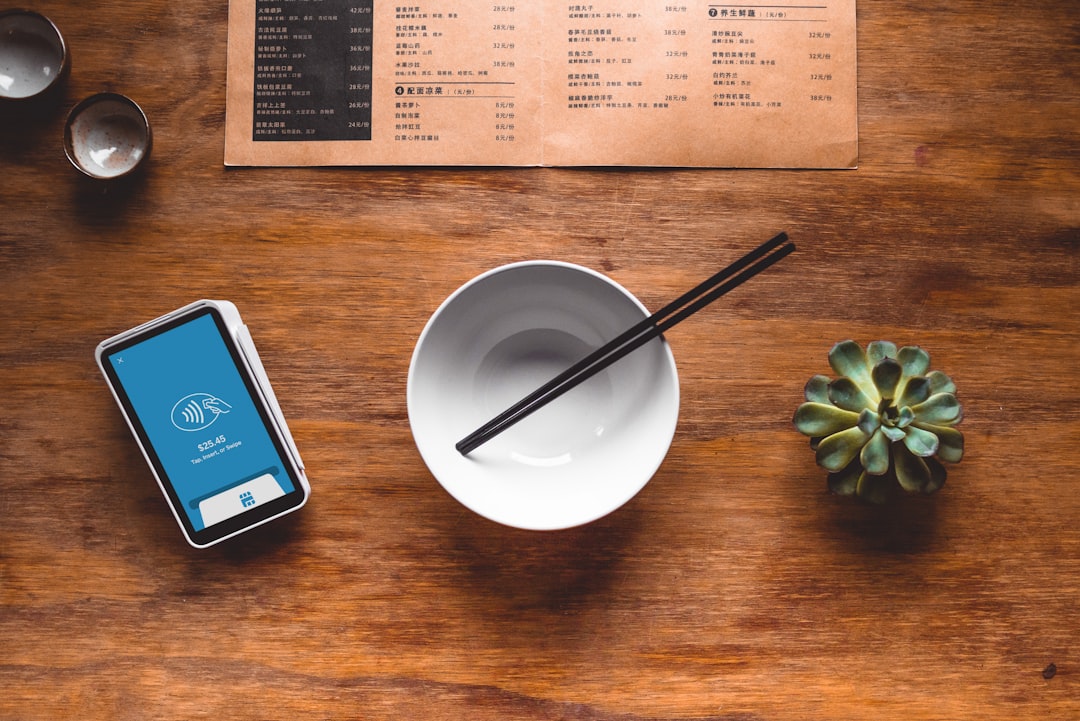
Technology is no longer optional for cafes. Free Wi-Fi attracts freelancers and students who want a place to work. Installing a reliable point-of-sale system speeds up orders and reduces mistakes during busy times. Many cafes also benefit from digital menu boards that can be updated quickly for specials or changes. When setting up Wi-Fi, place the router centrally to avoid dead zones, and have a backup plan if systems go down during peak hours.
Pay close attention to small details that often get overlooked but impact daily operations. For example, labeling storage areas clearly helps staff find ingredients faster, reducing wait times. Developing a habit of checking equipment like espresso machines and grinders every morning prevents breakdowns during service. Also, train your team on communicating effectively about order changes or stock shortages to avoid confusion with customers.
If you want real-world advice beyond theory, connecting with experienced cafe owners can save you headaches. Resources like small cafe shop design courses offer practical tips about common challenges and what to expect when setting up your business. Their firsthand stories reveal pitfalls that aren’t obvious until you’re in the middle of things.
Every design choice should reflect your brand and appeal to your target audience. From how customers move through the space to the chairs they sit on and the lighting above them, these elements combine to shape their experience. Pay attention to feedback and be ready to make adjustments based on what works in practice. For ongoing inspiration and updates on industry trends, check out coffee shop interior ideas, where you’ll find fresh concepts tailored for small cafes.