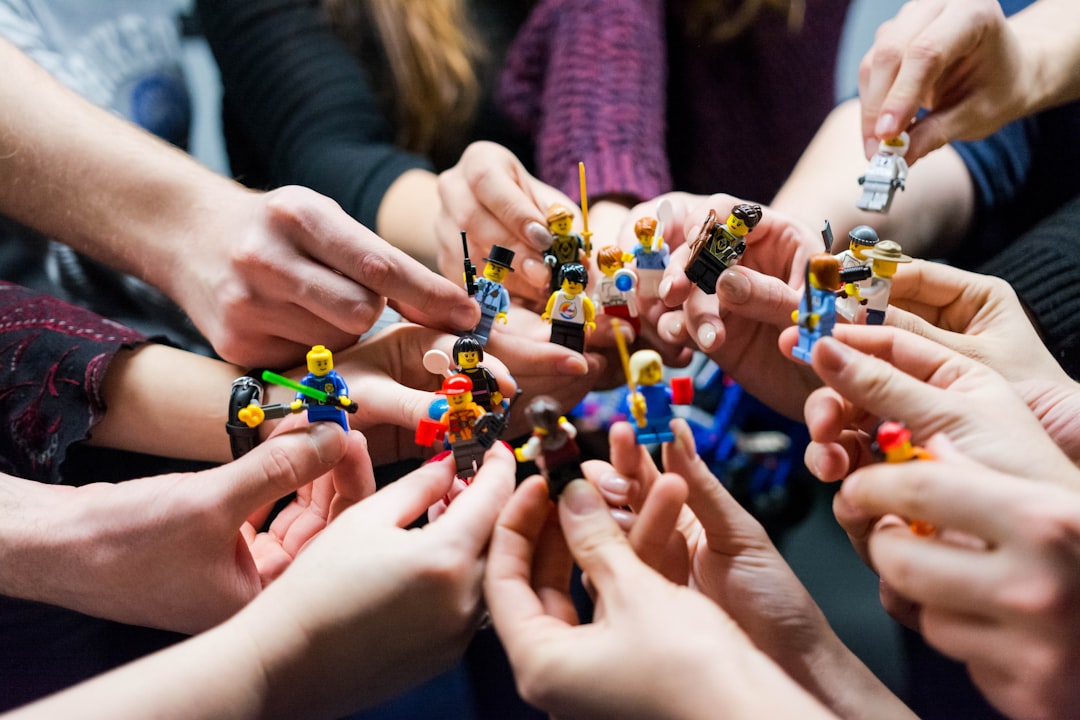
Company fun days have become an increasingly popular way for businesses to foster stronger interpersonal relationships, boost morale, and create a more cohesive work environment. As workplaces continue to evolve, the importance of team bonding outside the typical office setting has only grown. A thoughtfully planned fun day can offer a welcome break from routine, allowing colleagues to connect on a personal level and reenergise their enthusiasm for work.
What sets a successful company fun day apart is its ability to engage employees of all ages and departments. These events are not just about entertainment; they are about creating shared experiences that can translate into better collaboration and communication back in the workplace. Whether it’s outdoor challenges, creative workshops or friendly competitions, the activities should be inclusive and designed with a variety of interests in mind.
An added benefit of organising such events is the opportunity to identify and nurture leadership qualities that might not be as visible in a regular work setting. During group challenges or problem-solving tasks, individuals often reveal strengths in communication, adaptability, and initiative. These insights can be valuable for team development and succession planning.
When executed well, company fun days can significantly enhance workplace culture. They can help break down silos between departments, encourage open dialogue, and improve overall employee satisfaction. In turn, this can lead to increased retention rates and a more positive perception of the company among its workforce.
The planning process for a company fun day should start with clear objectives. Are you looking to improve team cohesion, celebrate a milestone, or simply reward staff for their hard work? Once goals are defined, the next step is selecting a venue and activities that align with your team’s interests and physical abilities. Outdoor venues are popular, particularly in the warmer months, offering space for sports, obstacle courses, or scavenger hunts. Indoor options may include escape rooms, cooking workshops, or trivia competitions.
Food and refreshments are another key component of the day. Providing a catered meal or buffet can create a relaxed atmosphere and give employees a chance to mingle informally. Some companies even opt for themed events, complete with costumes and decorations, to add an element of novelty and excitement.
Inclusivity is essential. Not all employees may be comfortable with physical challenges or large group settings. Offering a mix of activities, including low-impact or creative options, ensures everyone can participate and feel valued. Accessibility should also be a consideration when choosing locations and structuring events.
Involving employees in the planning process can further enhance engagement. By gathering feedback or allowing staff to vote on preferred activities, companies can tailor the experience to better suit their teams. This also demonstrates that employee input is valued, which can positively impact morale.
In the aftermath of a successful event, it’s important to gather feedback and assess outcomes. Did the event meet its objectives? Were employees satisfied with the experience? Such insights are crucial for refining future events and ensuring they continue to provide value.
For organisations looking to invest in team-building experiences, there are resources available that specialise in designing bespoke events. These providers can help manage logistics, suggest suitable activities, and ensure safety protocols are met, all while aligning the day with your company’s broader goals. To explore options for planning your next event, you can visit team building specialists who offer tailored solutions.
Ultimately, company fun days are more than just a break from the office. They are strategic tools that can reinforce company values, improve interpersonal relationships, and contribute to a more motivated, connected workforce. With careful planning and a focus on inclusivity and enjoyment, these events can leave a lasting impression that benefits both employees and the organisation as a whole.